Contents
What Are Composite Repairs for Pipework?How Do Composite Wraps Work?What Defects Can Composite Repairs Fix?Industries and Applications Where Composite Repairs ExcelBenefits and Limitations of Composite RepairsChemical Compatibility, Application Time, and Training RequirementsHow Icarus Composites Delivers Reliable Composite RepairsProtect Your Assets and Minimise Downtime with Icarus CompositesIntroduction
In heavy industry, the consequences of corroded, eroded, or leaking pipework are rarely theoretical. A single unplanned shutdown triggered by corrosion under insulation (CUI) on a refinery process line, a pinhole leak on an offshore riser, or progressive wall-thinning on a power station cooling loop can result in lost production worth hundreds of thousands of pounds per day, costly fire or explosion risk from hot-work permits, regulatory action for breach of pipeline integrity codes, and the environmental and reputational damage that follows a release. Traditional responses such as welding, full pipe replacement, or mechanical clamps carry their own burden of risk, cost, and complexity. Hot work on live or near-live lines demands stringent gas-free certification. Full replacement can take weeks of scaffold, fabrication, and commissioning time. Clamps address the symptom, not the cause, and are rarely a permanent engineered solution.
Composite repairs offer a fundamentally different approach. Engineered fiber-reinforced polymer wraps are applied cold, bond directly to the substrate, and restore hoop strength, pressure containment, and structural integrity to corroded or damaged pipework. All this is done without heat, without extended shutdown, and, where qualified systems are used, in full compliance with ASME PCC-2 and ISO 24817. When designed correctly, composite repairs are permanent engineered interventions capable of extending the operational life of an asset by up to 20 years.
This guide covers everything asset integrity, maintenance, and engineering professionals need to evaluate composite repairs: what they are, how they work, what defects and environments they are suited to, their benefits and limitations, how they compare to alternatives, and what quality work looks like in practice. It is written for engineers and managers across oil & gas, petrochemicals, power generation, maritime, mining, and water industries, the sectors that carry the greatest burden of ageing infrastructure and the greatest incentive to keep it running safely.
What Are Composite Repairs for Pipework?
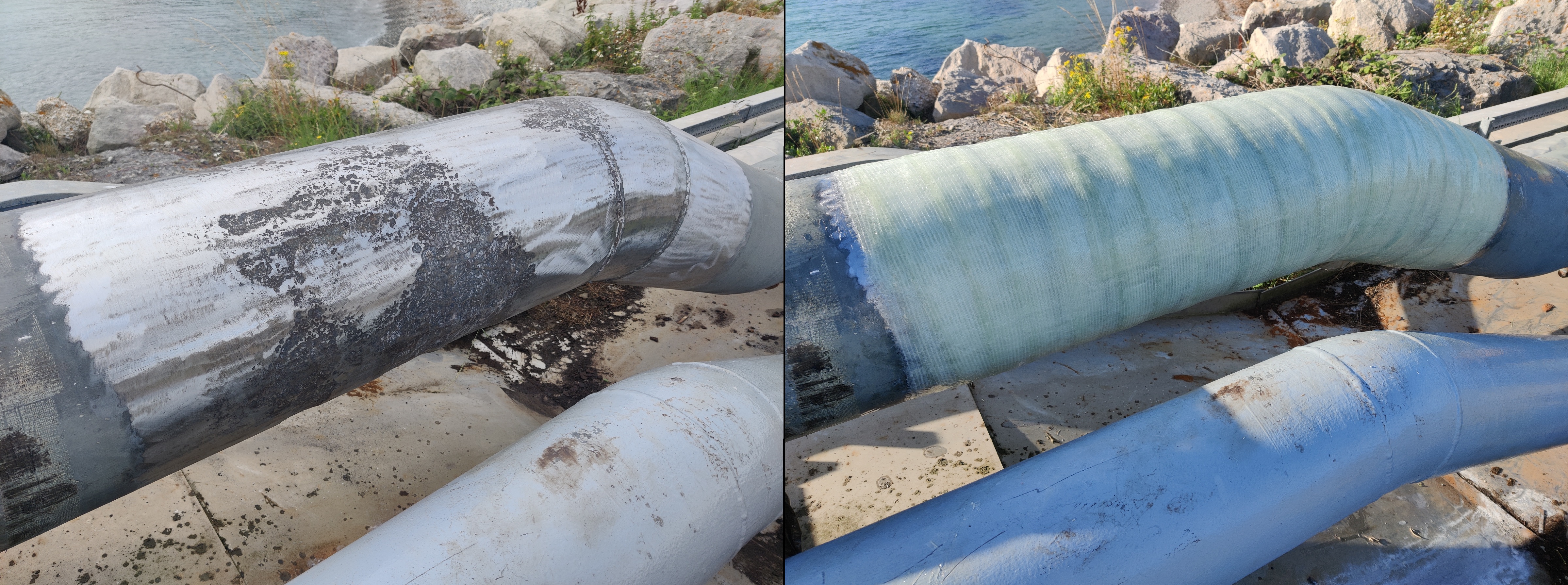
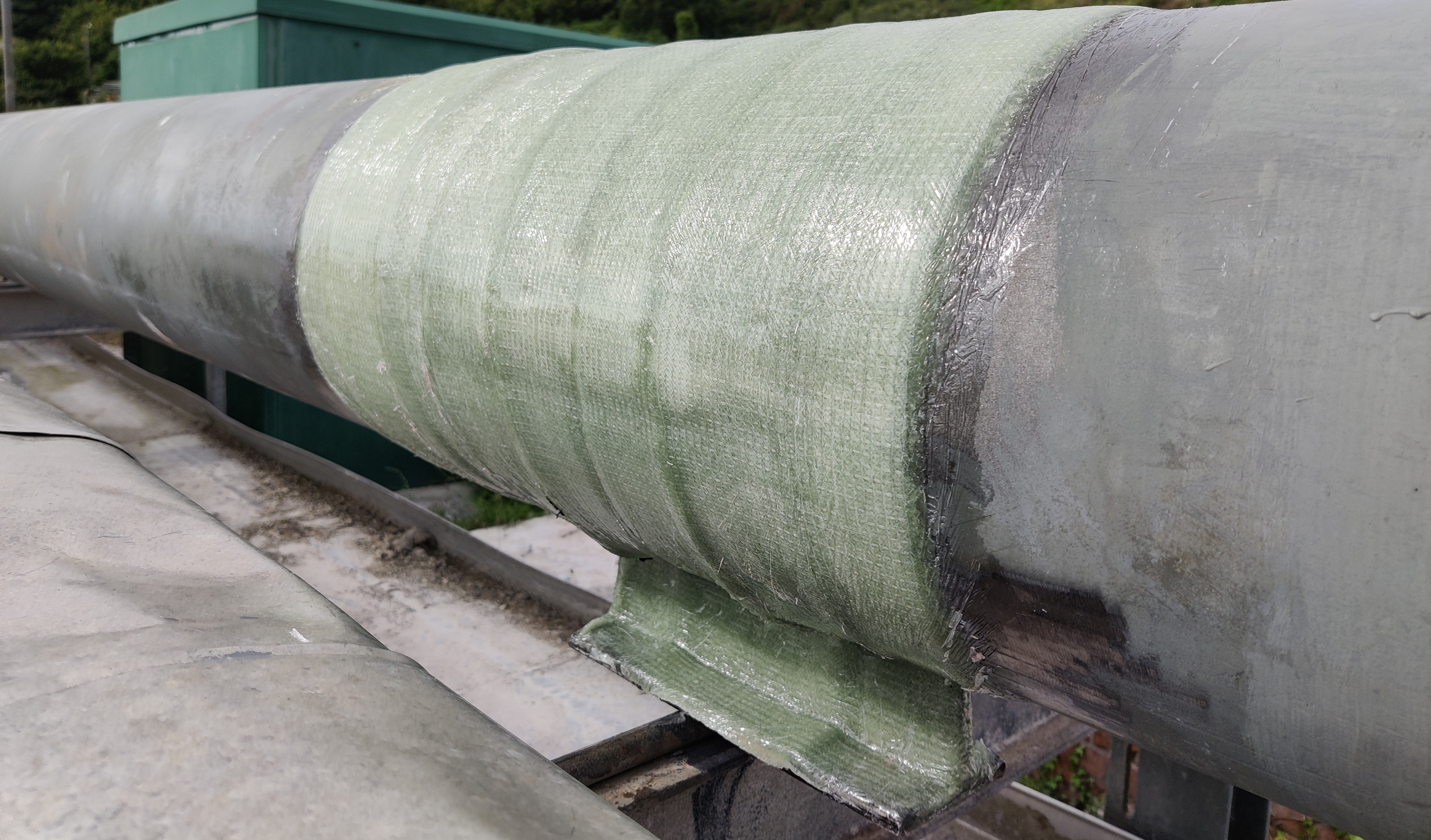
A composite repair involves applying layers of high-strength reinforcing fibre, typically E-glass or carbon, impregnated with a thermoset resin (epoxy, polyurethane, or similar) directly over a damaged pipe section. Once cured, the composite laminate forms a rigid, load-bearing sleeve that is chemically bonded to the substrate. The wrap restores hoop and axial strength, re-establishes a pressure-containing boundary, and protects the pipe from further environmental degradation, all without cutting, welding, or removing the line from service.
In practice, composite repairs are used for two broad scenarios. The first is structural reinforcement of a non-leaking pipe with reduced wall thickness. For example, a 12" carbon steel fuel oil line suffering corrosion under insulation at a coastal facility, where NDT has revealed wall loss down to 3.7 mm in multiple places. The second is live leak sealing, where the composite system must first contain an active leak and then consolidate around it to provide long-term pressure resistance. Both are recognised and governed by international standards.
ASME PCC-2 Article 4 (the American Society of Mechanical Engineers Post-Construction Code) and ISO 24817 (the international standard for composite repairs on metallic piping) define qualification requirements for composite repair materials, design methodology for calculating required thickness and length, installation procedures, and acceptance criteria. Compliance with these standards is the difference between an engineered, permanent repair and a temporary patch. At Icarus Composites, every engineered wrap system is independently qualified by a UKAS-accredited laboratory to these standards before it reaches the field.

How Do Composite Wraps Work?
The structural logic of a composite wrap is load-sharing. Where metal has been lost to corrosion or erosion, the remaining pipe wall alone cannot safely contain the operating pressure. The composite laminate, once bonded to the outer surface, accepts a proportion of the hoop stress generated by internal pressure. In effect, contributing the mechanical strength needed to make up for the deficit in the steel. The thicker the laminate, the more load it carries; the engineering calculation (conducted to ASME PCC-2 or ISO 24817) determines the precise number of layers required based on design pressure, design temperature, pipe geometry, defect dimensions, repair design lifetime and composite material properties.
Adhesion between the composite and the substrate is fundamental. It is achieved through a combination of mechanical keying (the surface preparation profile provides physical interlocking sites for the resin) and chemical bonding (the primer or resin wets the metal surface and forms a durable interface). A well-prepared, correctly primed surface is not optional, it is the foundation on which the repair's long-term integrity depends.
Key Application Steps
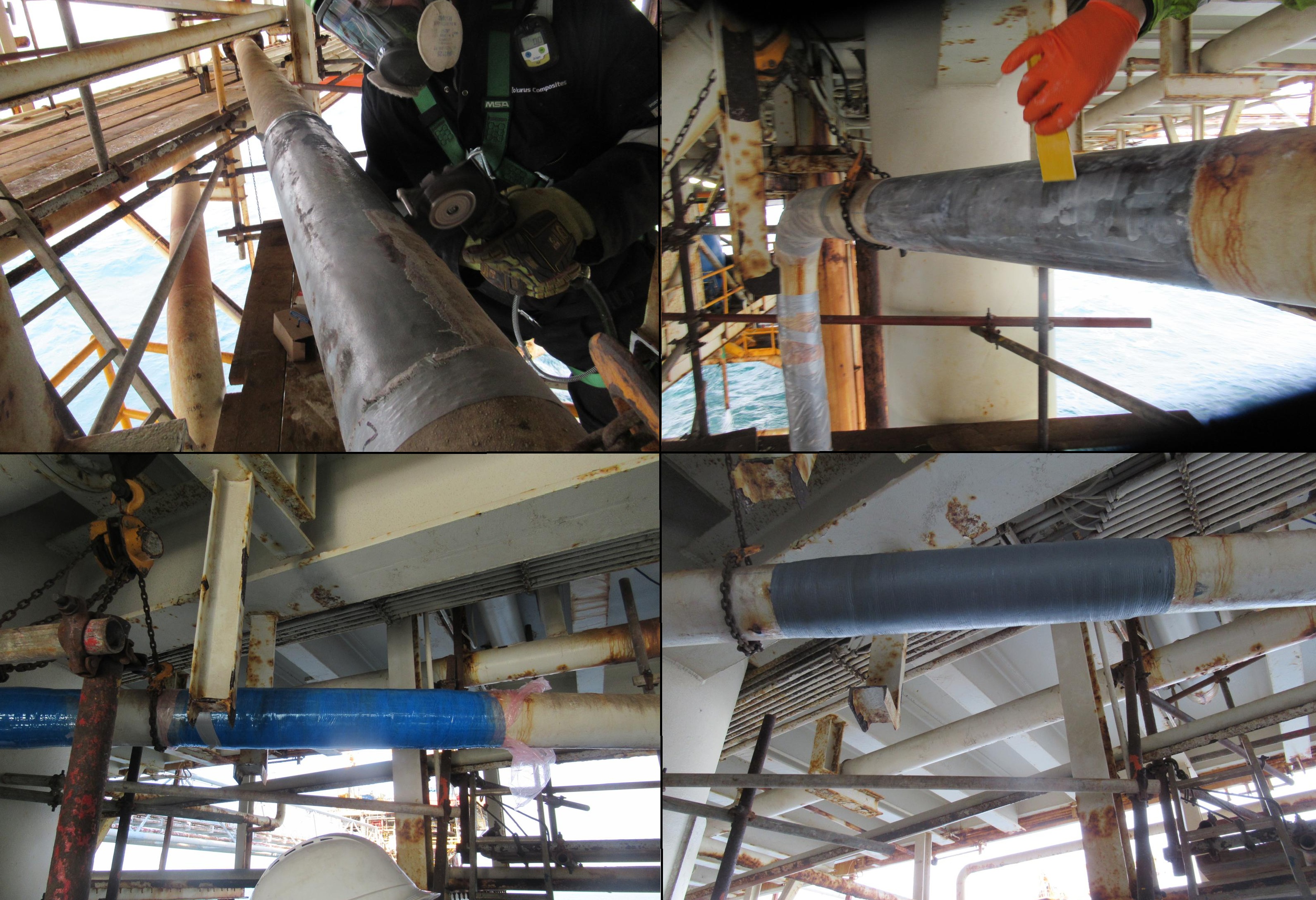
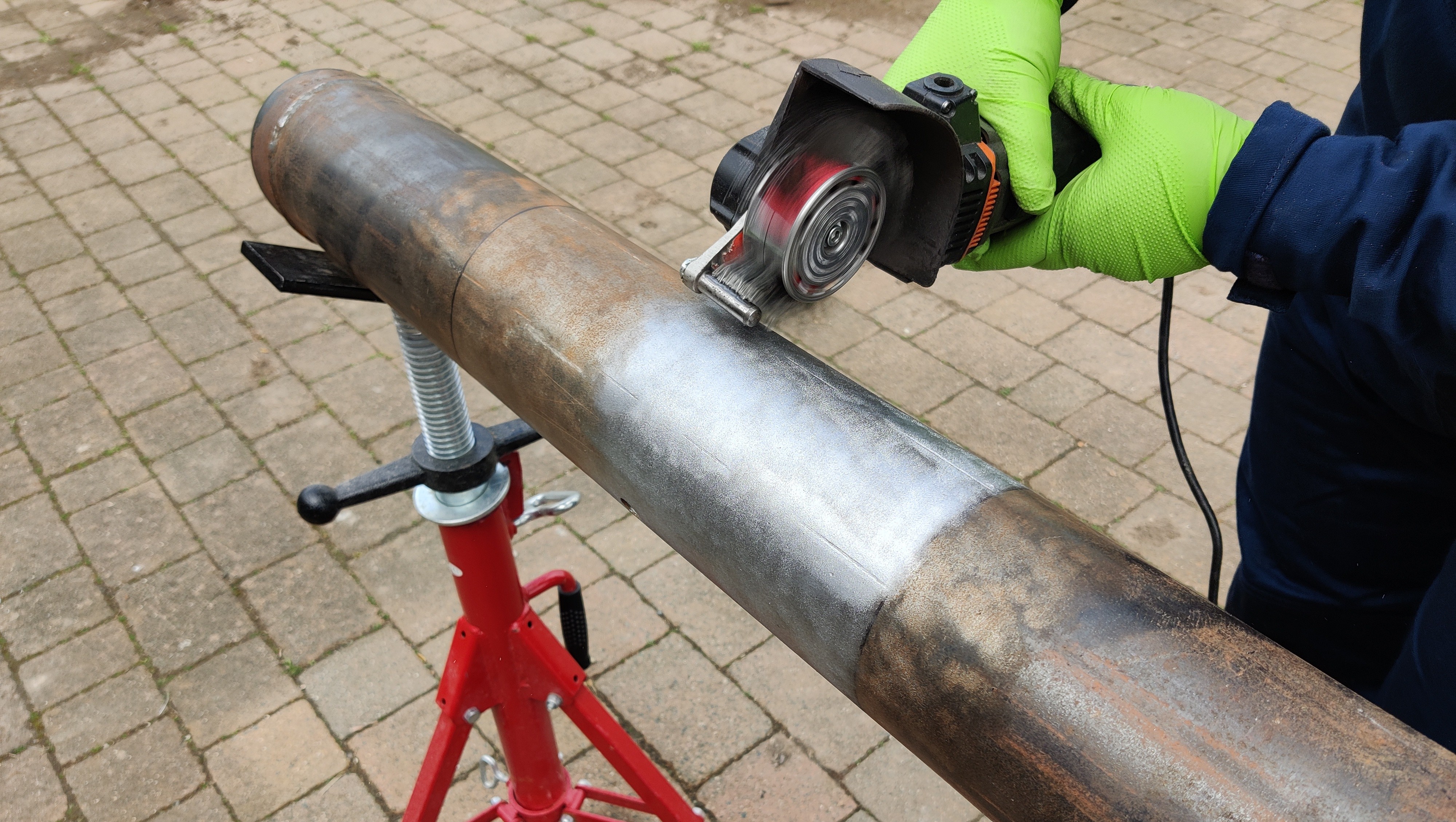
- Surface Preparation: The pipe surface is cleaned to bare metal using abrasive blasting or power tool methods to achieve a surface cleanliness comparable to Sa 2 ½ - Sa 3 (SSPC SP-10 / Nace No. 2 – SSPC SP-5 / Nace No.1). A minimum anchor profile of 55 µm is required by Icarus Composites internal standards. All loose rust, coatings, contamination, and moisture are removed. Surface roughness is verified with Testex replica tape or an Elcometer.
- Geometry Profiling: Pits, weld caps, changes in diameter, and external attachments are filled and faired using a silica-filled epoxy paste or epoxy putty to create a smooth, circular profile. This ensures even load transfer from the pipe to the composite and eliminates stress concentrations within the laminate.
- Priming: A primer or the composite resin itself is applied to the prepared surface to seal it, enhance adhesion, and prevent moisture ingress prior to laminate application.
- Wet Lay-Up / Prepreg Application: Resin-impregnated fibreglass cloth is applied in a spiral wrap (similar to a bandage) with a defined overlap (typically 50%), layer by layer, until the engineered layer count is achieved. In restricted-access areas, a 'strip wrapping' technique, which involves cutting the cloth into circumferential strips and varying the join position, maintains laminate integrity and allows application without requiring continuous roll access.
- Compression Film: Release film and high-stretch compression film are applied over the full repair to consolidate the laminate, eliminate voids, and ensure intimate contact with the substrate during cure.
- Curing: The repair cures at ambient temperature or under controlled heat (using heater blankets for post-cure cycles). Full mechanical properties are typically reached within 24 hours for ambient-cure systems, or faster with post-cure protocols.
- Quality Assurance: Shore D hardness readings verify full cure. Visual inspection checks for cracks, dry fibre, blisters, pinholes, and resin uniformity. Tap testing detects delamination. Repair thickness and axial extent are verified against the design.
What Defects Can Composite Repairs Fix?
Composite repairs are not a universal solution to every pipe defect, but they address a broad and clinically important range of damage types. The standards classify repairs into two types, which define scope, design approach, and material requirements.
Type A Repairs — Non-Leaking Defects
Type A repairs restore structural integrity to pipework that has lost wall thickness but remains pressure-tight. Suitable defects include:
- External corrosion: general surface corrosion, pitting, and localised wall loss, including corrosion under insulation (CUI)
- Internal corrosion or erosion: detectable via inline inspection (ILI), ultrasonic testing (UT), or radiography
- Mechanical damage: gouges, dents, and impact damage not involving through-wall penetration
- Thin-wall sections: areas approaching minimum acceptable wall thickness as defined by fitness-for-service assessment
- Wrinkle bends: on older transmission pipelines
- Cracks: Circumferential and longitudinal cracks. It is a requirement that the crack length is known and will not increase during the lifetime of the repair or that a conservative estimate for the ultimate crack length at the repair design life can be made.
The design calculation determines the composite thickness required to restore the pipe to its design pressure capability, accounting for the remaining wall thickness at the most severe defect location.
Type B Repairs — Leaking or Through-Wall Defects
Type B repairs address defects that have penetrated the pipe wall, including active leaks. These are more demanding: the composite must first contain the leaking fluid and then provide long-term structural reinforcement. Suitable defects include:
- Pinholes: Small through-wall penetrations from pitting corrosion.
- Circumferential or axial slots: Linear through-wall defects from cracking or advanced corrosion.
- Active leaks on flanges, welds, and straight pipe: Where the leak rate and internal medium are compatible with composite encapsulation.
Type B repairs typically require additional steps: sealant injection, mechanical sealing or putty application to arrest the leak before laminate application, and in some cases purpose-built leak sealing kits (such as the HydraSeal™ Online Leak Pipe Repair Kit) to arrest the active flow. The internal medium must be assessed for chemical compatibility with the resin. Some highly aggressive media or high-pressure gas leaks require alternative strategies.
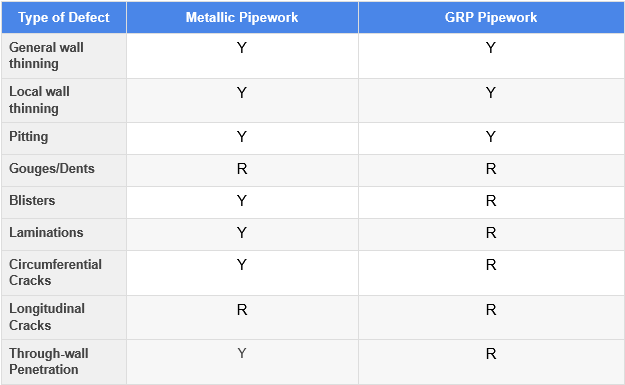
The table below summarises the type of defects that can be repaired using composite wrap repair systems.
- Y – Generally appropriate.
- R – Composites can be used but requires extra consideration.
Suitable Geometries and Limitations
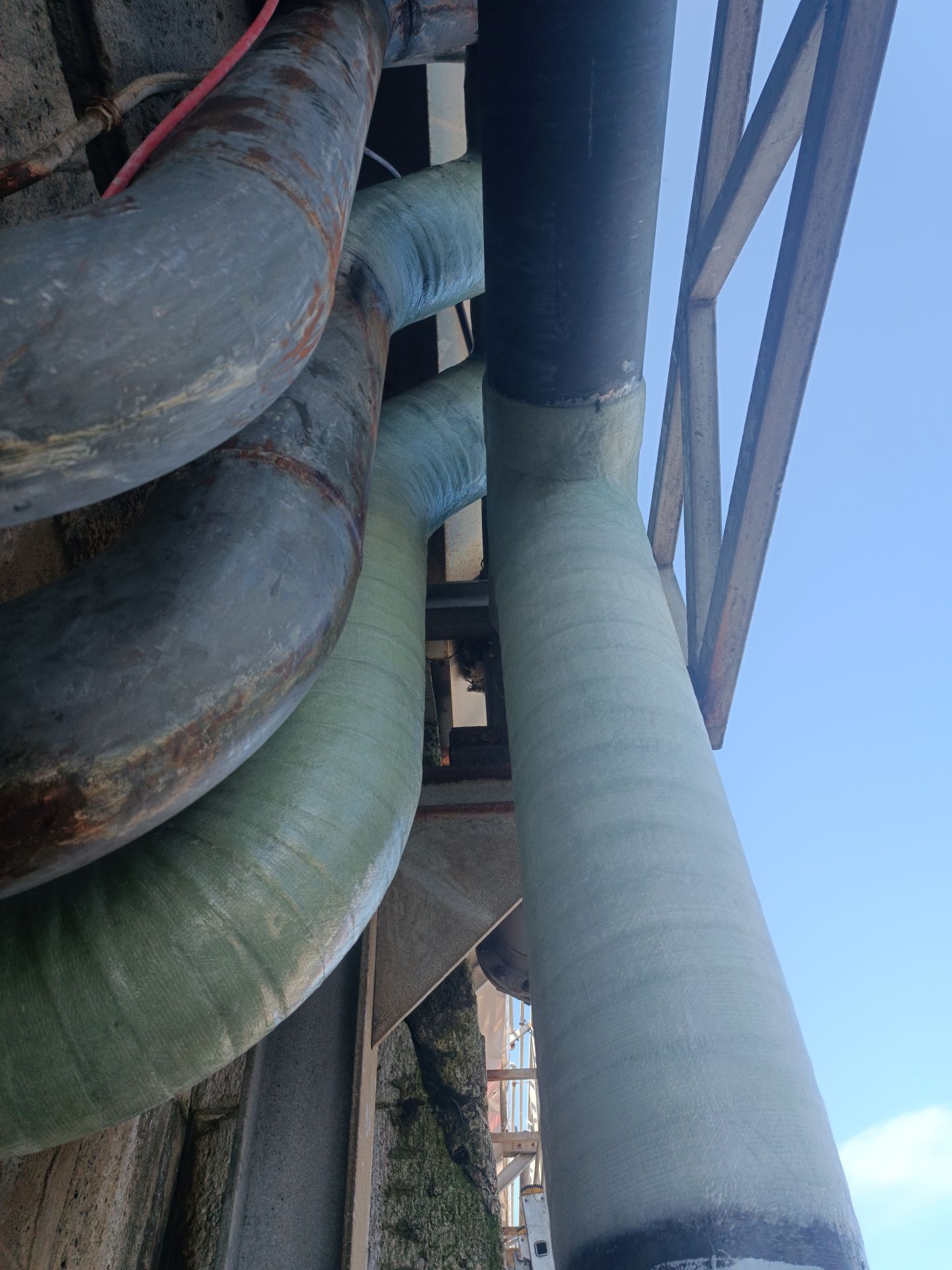
Modern composite systems, particularly those using quadaxial fibreglass cloth that provides strength in the 0°, ±45°, and 90° directions can be applied effectively over complex pipe geometries, including:
- Straight pipe (all diameters)
- 90° and 45° elbows
- Tees and branch connections
- Reducers
- Flanges and raised-face connections
- Nozzles, valve bodies, and pipe repair clamps
Geometry profiling with silica or metal epoxy pastes is used to eliminate sharp transitions and ensure complete composite contact across irregular surfaces. Where proprietary clamps or fittings are present, protruding fixings are removed and the transition faired before laminate application.
Composites are not well suited to defects driven by axial tensile overload, active through-wall cracks propagating under fatigue, or service conditions that permanently exceed the design limits of the qualified resin system. An engineering assessment is essential before proceeding in borderline cases.
Repair triggers typically arise from routine inspection programmes: inline inspection (ILI) data for buried or subsea pipelines, ultrasonic thickness (UT) surveys for above-ground assets, corrosion coupon analysis, or fitness-for-service (FFS) assessments under API 579 or BS 7910. If wall loss is identified and the corrosion rate projected forward indicates a breach before the next planned maintenance window, composite repair is frequently the fastest and most cost-effective response. For asset owners uncertain of suitability, Icarus Composites offers free engineering feasibility assessments to evaluate the defect data, confirm repair viability, and generate a preliminary design with no obligation.
Industries and Applications Where Composite Repairs Excel
Composite repairs deliver the greatest value in asset-heavy industries where downtime is expensive, aggressive operating environments accelerate degradation, and safety regulations limit the use of hot work. The following sectors represent the primary industrial applications.
Oil & Gas — Upstream, Midstream, and Downstream
From subsea production risers to onshore transmission pipelines and refinery process lines, the oil and gas sector operates some of the most challenging pipework in the world under high pressure, at elevated temperature, and often in corrosive coastal or offshore environments. Composite repairs are particularly valuable for:
- External corrosion on above-ground and buried pipelines identified through ILI or cathodic protection surveys
- Corrosion under insulation (CUI) on insulated process lines, where heat-trace cycling accelerates attack
- Subsea and splash zone rehabilitation on risers, J-tubes, and caissons, where water-activated systems such as Oceanus 142 can be utilised
- Live leak sealing on complex geometries such as flanges, welds, and valve bodies using composite encapsulation and injection sealants, maintaining flow assurance without a shutdown
Petrochemical Plants and Refineries
Refineries and petrochemical facilities combine high-temperature, high-pressure process streams with a chemical environment that attacks conventional coatings and accelerates corrosion. Hot work on process piping in classified hazardous areas is subject to strict controls, a factor that makes no-hot-work composite repair particularly attractive. Systems with higher glass transition temperatures (Tg), such as Helios 158 (Tg 158°C) and Hyperion 223 (Tg 223°C), are designed specifically for these environments, providing thermal stability well above the operating temperature of the repaired line.
Power Generation (Including Nuclear)
Power generation facilities, including, coal, gas, combined cycle, and nuclear, operate extensive pipework systems for steam, cooling water, condensate, and process services, often at elevated temperature and pressure. The extended design life requirements typical of nuclear and critical power infrastructure demand a higher standard of engineering documentation and third-party validation. Both ASME PCC-2 and ISO 24817 provide a recognised framework for demonstrating long-term repair integrity to regulators and asset owners. Composite repairs on cooling lines, steam condensate systems, and auxiliary pipework allow minor outage windows to be used productively, avoiding the need to extend shutdown durations for weld repairs.
Maritime, Marine, and Offshore
Saltwater, wave loading, marine biofouling, and the corrosive splash zone environment create a hostile setting for steel infrastructure. Composite systems must be able to cure reliably in wet conditions and resist long-term hydrolytic degradation. The Oceanus 142 water-activated prepreg system was developed specifically for this application: activated by immersion in seawater, it requires no mixing and cures rapidly to a Shore D hardness of 85–95, even in fully submerged conditions. For offshore platforms and marine vessels where hot work is tightly controlled and logistics are complex, the simplicity and speed of a prepreg system reduce risk and cost significantly.
Mining — Process and Slurry Lines
Mining process lines carry some of the most abrasive and chemically aggressive media encountered in any industry — slurry at high velocity, acidic leachate, and saline process water. Erosion and corrosion combine to thin pipe walls rapidly, and the remote or underground locations of many mining installations make full replacement extremely costly. Composite systems can be designed to address both internal erosion (where the pipe profile is restored and the wrap prevents collapse) and external corrosion, with quadaxial reinforcement providing strength in all directions to resist the complex loading from slurry surge and thermal cycling.
Water, Wastewater, and Utilities
Water utility operators face similar challenges to their industrial counterparts, including, ageing carbon steel and ductile iron pipework, external corrosion from soil and groundwater, and internal degradation from aggressive treated water. For drinking water applications, compliance with ANSI/NSF Standard 61 is required to confirm that the composite materials do not contaminate potable water. The Oceanus 142 system meets NSF 61 when used with an approved primer, making it suitable for water supply infrastructure repair. Steam and process water lines in utilities also benefit from the broad service temperature range of the Icarus composite portfolio.
Benefits and Limitations of Composite Repairs
Key Benefits
- No hot work: Composite repairs are applied cold. There is no requirement for gas-free certification, hot work permits, or temporary fire suppression, substantially reducing HSE risk on live plant.
- Minimal downtime: The total intervention time from mobilisation to signed-off repair is typically measured in days, compared to days or weeks for weld repairs or full replacement. The line frequently remains in service throughout.
- Operates on live and pressurised assets: Composite repairs can be applied to pipework at operating pressure and temperature. Type B systems can seal active leaks without isolating or depressurising the line.
- Cost effective: Material and labour costs are typically a fraction of full replacement, and the elimination of shutdown and lost production costs often makes composite repair the lowest-total-cost solution even where upfront material costs are higher than a clamp.
- Handles complex geometries: Wet lay-up and prepreg systems conform to elbows, tees, flanges, and irregular surfaces that mechanical clamps cannot accommodate.
- Engineered and permanent: ASME PCC-2 and ISO 24817 compliant repairs are designed with a defined service life (up to 20 years), backed by third-party material qualification, engineering calculations, and installation documentation.
- Broad chemical and environmental resistance: Cured epoxy composites resist hydrocarbons, fuels, saltwater, dilute acids, and many process chemicals. High-Tg systems maintain performance at elevated temperature.
- Sustainability: By restoring existing infrastructure rather than replacing it, composite repair reduces the embodied carbon and material waste associated with new pipe fabrication. Bio-resin systems such as BioWrap 102 take this further, substituting up to 27% of the resin mass with plant-derived chemistry.
Limitations and Disadvantages
- Skilled surface preparation is non-negotiable: Inadequate surface prep is the single most common cause of composite repair failure. Achieving Sa 2 ½ - Sa 3 (SSPC SP-10 / Nace No. 2 – SSPC SP-5 / Nace No.1) in confined, elevated, or subsea locations requires appropriate equipment and training.
- Not suitable for all defect types: Active fatigue cracks, severe axial overloading, and defects in materials with very high hardness or low surface energy require alternative approaches or specialist pre-treatment.
- Design and qualification are required: A composite repair must be engineered, not estimated. Applying the wrong number of layers or using a material not qualified to the relevant standard produces an outcome that may fail with little warning.
- Type B repairs require chemical compatibility assessment: The internal medium must be compatible with both the sealant and the composite resin. Some acids and solvents at high concentration can permeate or degrade the laminate over time.
- Long-term monitoring may be required: Particularly where the repair is rated for a 20-year design life, periodic inspection (thickness measurement, tap testing) provides assurance that the repair is performing as designed.
- Temperature limits are system-specific: Each composite system has a qualified maximum service temperature. Operating in excess of these limits requires either a higher-specification system or a different repair strategy.
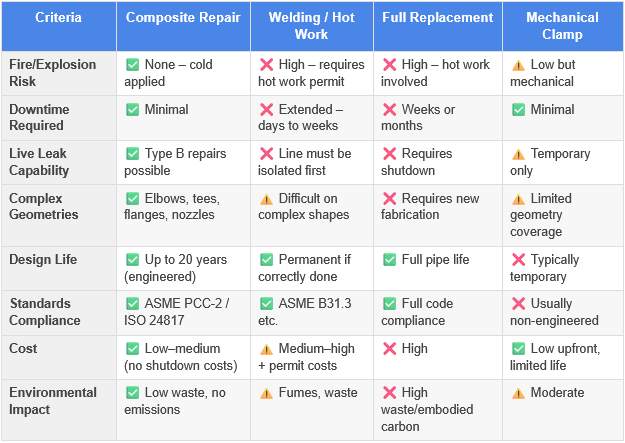
Composite Repair vs. Alternatives — At a Glance
Chemical Compatibility, Application Time, and Training Requirements
Chemical Compatibility
The chemical resistance of a composite repair is determined by two factors: the resistance of the cured resin to the external environment, and, in the case of through-wall defects, the compatibility of the resin and sealant with the internal medium.
Epoxy composites are broadly resistant to hydrocarbons (crude oil, diesel, fuel oil, LPG), saltwater, dilute inorganic acids, and most process water systems. They perform well in the hydrocarbon-rich environments of upstream and midstream oil and gas, and in the sodium hypochlorite and chlorinated water environments common in water treatment. Limitations exist for concentrated strong acids (e.g., >10% sulfuric acid), strong oxidising agents, and some aromatic or chlorinated solvents at elevated temperature.
For leaking assets, the internal medium contacts the sealant and composite at the defect site. Assessment of compatibility is a standard part of the engineering design process, and specialist sealant formulations are available for aggressive media. Where compatibility is uncertain, Icarus Composites’ engineering team can advise and, where necessary, recommend alternative approaches. Chemical compatibility guidance charts are available for the specific systems used in each repair.
Application Time and Process
Composite repair is significantly faster than any alternative. A typical timeline for a well-planned repair on an above-ground industrial pipe is:
- Day 1 (morning): Mobilisation and set-up
- Day 1 (afternoon): Surface preparation to bare metal and geometric profiling
- Day 2: Primer application, wet lay-up wrapping, compression film applied
- Day 2 (overnight) to Day 3: Initial cure (minimum 13–24 hours depending on system and temperature)
- Day 3: Shore D hardness verification, quality assurance inspection, sign-off and documentation
For urgent situations, water-activated prepreg systems such as Oceanus 142 can be tack-free within 30 minutes and achieve full cure within 24 hours. Where post-cure is required to reach the full-service temperature capability of the system, heater blankets can reduce post-cure time to a few hours.
In cases of online leaks, additional time is needed for controlling and sealing the leak before laminate application can begin. Complex geometries with multiple elbows, tees, and fittings add time but remain significantly faster than the welding and fabrication alternative.
Training and Certification Requirements
The quality of a composite repair is directly proportional to the skill of the applicator. ISO 24817 and ASME PCC-2 both require that repairs are designed and installed by competent personnel, and leading operators specify manufacturer-trained and certified applicators as a minimum. The variables that matter, including, surface cleanliness, anchor profile, resin mixing ratio, overlap consistency, compression film technique, and cure verification, can only be reliably controlled through hands-on training and supervised practice.
Icarus Composites delivers comprehensive training programmes covering composite wrap application, online leak sealing techniques, surface preparation, curing monitoring, and compliance with ISO 24817 and ASME PCC-2 installation requirements. Training is available for both in-house engineering teams seeking to develop internal capability and partner contractors seeking certified applicator status.
For repairs where access is difficult, the defect type is unusual, or the operating conditions push the boundaries of standard qualification, Icarus’ own technician team provides specialist on-site execution, including online leak sealing at high pressure or high volume, application in subsea and splash zone environments, and repairs at height in confined space.
How Icarus Composites Delivers Reliable Composite Repairs
Icarus Composites is a full-service composite repair company: we develop and qualify the materials, supply them globally, train the people who apply them, and put our own technicians on site for the most demanding applications. Each part of the service is designed to ensure that what leaves our hands performs as engineered, not just at the point of installation, but for the full intended design life.
Engineered Composite Wrap Systems
Our core product range covers the full range of industrial operating conditions:
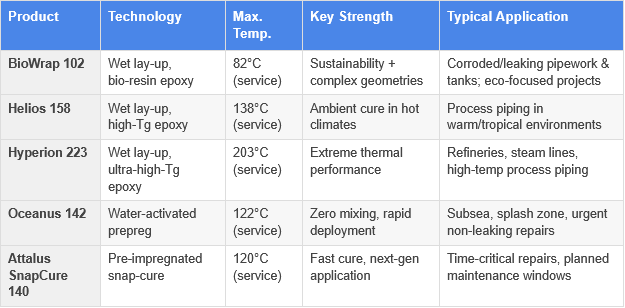
All systems are fully qualified to ISO 24817 and ASME PCC-2 by a UKAS-accredited independent laboratory. Qualification testing includes short-term pressure testing of repaired assemblies at multiples of the working pressure, lap shear bond strength testing on relevant substrate materials, and — where applicable — testing under elevated temperature and cyclic loading. Complete qualification test reports and material property datasheets are available on request.
HydraSeal™ Online Leak Pipe Repair Kit
For immediate response to unexpected leaks, the HydraSeal™ Online Leak Pipe Repair Kit provides a rapid, on-site solution that requires no hot work and no specialist equipment. The kit contains everything needed to seal small to medium leaks and stabilise the situation while a permanent engineered repair is planned and installed. For larger or more complex leaks requiring online sealing without isolation, our live leak sealing team provides 24/7 emergency response.
HydraSealTM Pipe Repair Clamps
The HydraSeal Pipe Repair Clamp is a mechanically restrained, bolted stainless steel clamp designed to seal leaks and through-wall defects in pressurised pipelines quickly and without hot work. An FKM elastomer gasket provides chemically resistant sealing under pressure across a range of defect types, including, pinholes, corrosion pits, and small cracks. This makes them well suited to emergency containment on hydrocarbon, water, and chemical service lines. The clamp can be deployed rapidly by a single operative, restoring pressure integrity while a permanent engineered solution is assessed and mobilised.
Critically, the HydraSeal clamp does not have to remain as a temporary measure. Testing conducted in conjunction with a UKAS-accredited laboratory has confirmed that Icarus’ engineered composite wrap systems form a strong adhesive bond to stainless steel, the construction material of the clamp itself. This means the clamp can be encapsulated within a composite overwrap, incorporating it into a permanent repair system designed in accordance with ISO 24817 and ASME PCC-2.
The result is a two-stage repair pathway uniquely available from a single supplier: the clamp provides immediate pressure containment on day one; the composite wrap converts that temporary intervention into a fully engineered, long-term repair, without the line ever needing to be isolated or taken out of service. This integrated approach is particularly valuable where operational pressures or logistics make it difficult to plan and execute a composite repair in a single mobilisation.
Engineering Feasibility and Design Support
Before any repair is installed, it should be engineered. Our team provides free feasibility assessments to determine whether a composite repair is appropriate for the defect in question. If assessed to be feasible, we generate a full engineering design specifying the required repair length, number of layers, post-cure requirements, and expected service life. Designs are produced in accordance with ISO 24817 or ASME PCC-2, as required by the client's operating standards. Engineering support is available 24/7 for urgent situations.
Training Programmes
Our training programmes cover all aspects of composite repair application, from surface preparation standards and resin mixing protocols to live leak sealing and post-repair quality assurance. Courses are available for both in-house teams and contractor applicators, and can be delivered at client facilities or at our own training centre. On completion, participants receive certified applicator credentials recognised under ISO 24817 and ASME PCC-2 requirements.
Partnership Network
We work with a global network of trained and accredited partner contractors who can deliver Icarus-qualified repairs in markets and locations where direct deployment by our own team is not practical. Join our partnership network to access proprietary materials, engineering support, and co-branded technical documentation for your clients.
Protect Your Assets and Minimise Downtime with Icarus Composites
Corrosion and leaks cause costly downtime and safety risks. Composite repairs offer a fast, safe, no-hot-work solution that extends asset life by up to 20 years. Icarus provides compliant wraps, live leak sealing, and free feasibility assessments tailored to your needs.
Whatever the condition of your pipework, from early-stage corrosion identified on a routine inspection to a live leak threatening production, Icarus Composites has the materials, engineering capability, and field expertise to deliver a fast, safe, and permanent solution.
- Immediate emergencies: HydraSeal™ kits for on-site leak control; 24/7 live leak sealing response
- Planned repairs: Full engineering design, qualified materials, trained applicators
- Sustainable solutions: BioWrap 102 bio-resin system for projects with environmental performance targets
- Extreme conditions: Helios 158 and Hyperion 223 for high-temperature process and refinery applications
- Free feasibility: No-obligation engineering assessment for your specific asset and defect
Ready to evaluate your pipework? Request a free feasibility assessment or book a repair today. Our engineering team is available 24/7 — no obligation, just expert guidance on protecting your assets.
Need a repair? Contact our Engineering Team today
Ready to add engineered composite wraps and live leak sealing to your service portfolio? Tell us about your business and we'll get in touch.
Prefer to speak to us directly?
Contact our team and we'll guide you step-by-step on the journey to getting your assets repaired.
Phone:
+44(0)1706 334178
Email:
contact@icarusgroup.co.uk
Website:
www.icaruscomposites.co.uk
Location:
Cambridge, United Kingdom


