Helios 158

Hot Climate Performance

"BioWrap 102 gave us a sustainable repair option without compromising on the performance we need for high-pressure pipeline systems. The ambient cure was a game-changer for our remote site operations."

— Operations Manager, Offshore Energy Client

Optimised for Hot Climates and Demanding Conditions

High heat. Helios 158 solves the challenge of high-temperature repair in hot climates. With a Tg of 158°C, it withstands sustained industrial heat yet cures entirely at ambient temperatures—eliminating the need for external heater blankets. It is the ideal solution for deserts and remote locations where simplified application is critical.

Book A Repair Now
  • High-Temperature Stability: Tg of 158°C for pipelines exposed to elevated heat.

  • Optimized for Hot Climates: Cures at ambient temps (25°C+), perfect for deserts.

  • Ambient Curing: No external heat source required, unlike most high-temp epoxies.

  • Quad-axial Reinforcement: Uses 0°/90°/+45°/-45° fibre alignment for max hoop strength.

  • Versatile Protection: Excellent for corrosion under insulation (CUI) and structural repair.

Qualified Composite Repair Systems

At Icarus Composites, we make sure to test our Composite Materials to the most stringent industrial standards ensuring we deliver the highest quality composite pipe and tank repairs possible.

Our Composite Systems are qualified to both ISO 24817 & ASME PCC-2 to make sure they meet the requirements of both international standards.

Learn More
Download the Technical Data Sheet

Why Choose Helios 158

High-Temperature Stability

Glass transition temperature of 158°C allows continuous operation at up to 138°C—ideal for high-temp process lines and hot climate installations.

No Heater Blankets Required

Unlike most high-temperature epoxies, Helios 158 cures at ambient temperatures ≥25°C, eliminating the need for external heat sources in remote or desert locations.

Extended Working Time

5-6 hour pot life at 25°C gives applicators ample time to complete complex repairs without rushing, even in challenging hot-climate conditions.
Book A Repair Now

Ambient Cure for Hot Climates

Helios 158 is specifically engineered for environments where traditional high-temp composites fail. It cures entirely at ambient temperatures ≥25°C while still achieving a Tg of 158°C—no heater blankets, no external power, no complications.

  • Tg of 158 °C for extreme thermal stability
  • Max operating temperature: 138 °C
  • Ideal for CUI repairs
  • No heater blankets required

Extended Working Time

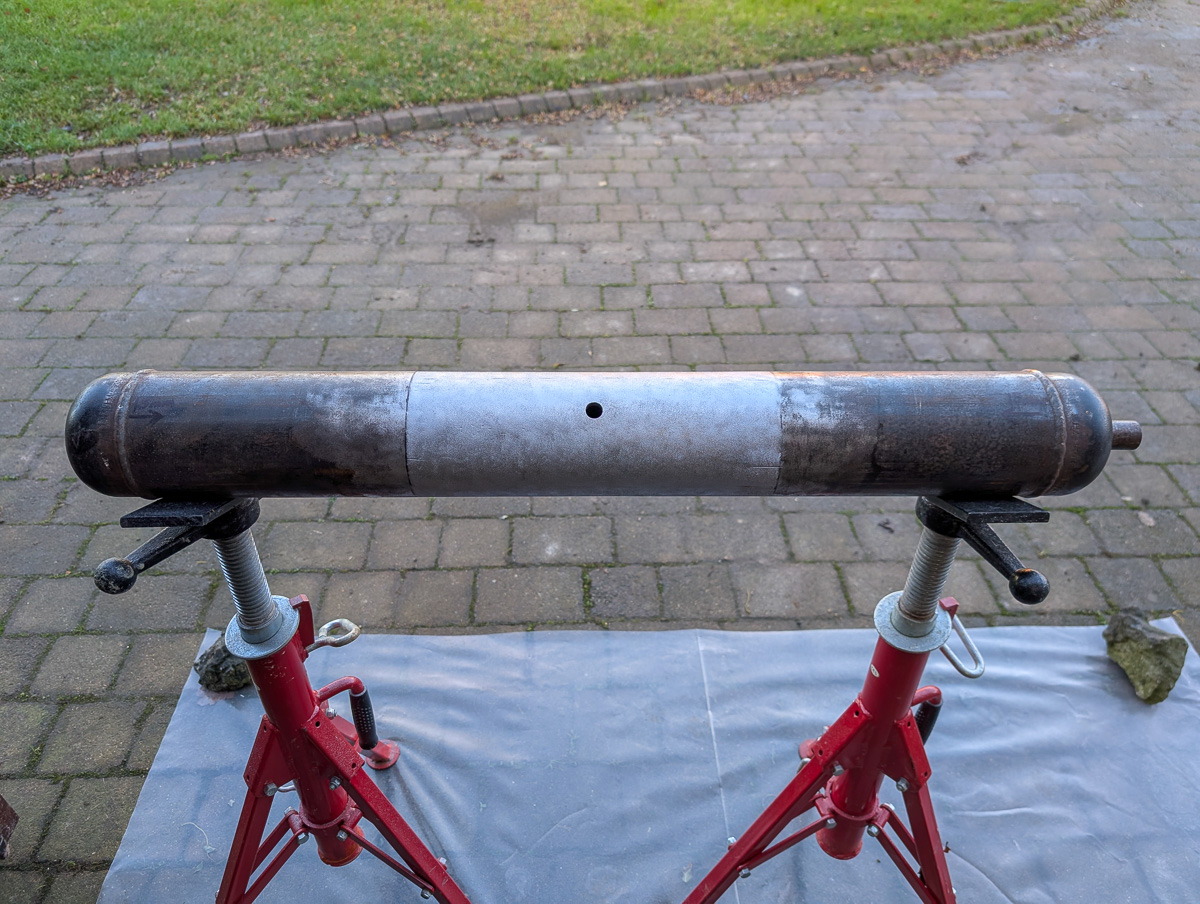
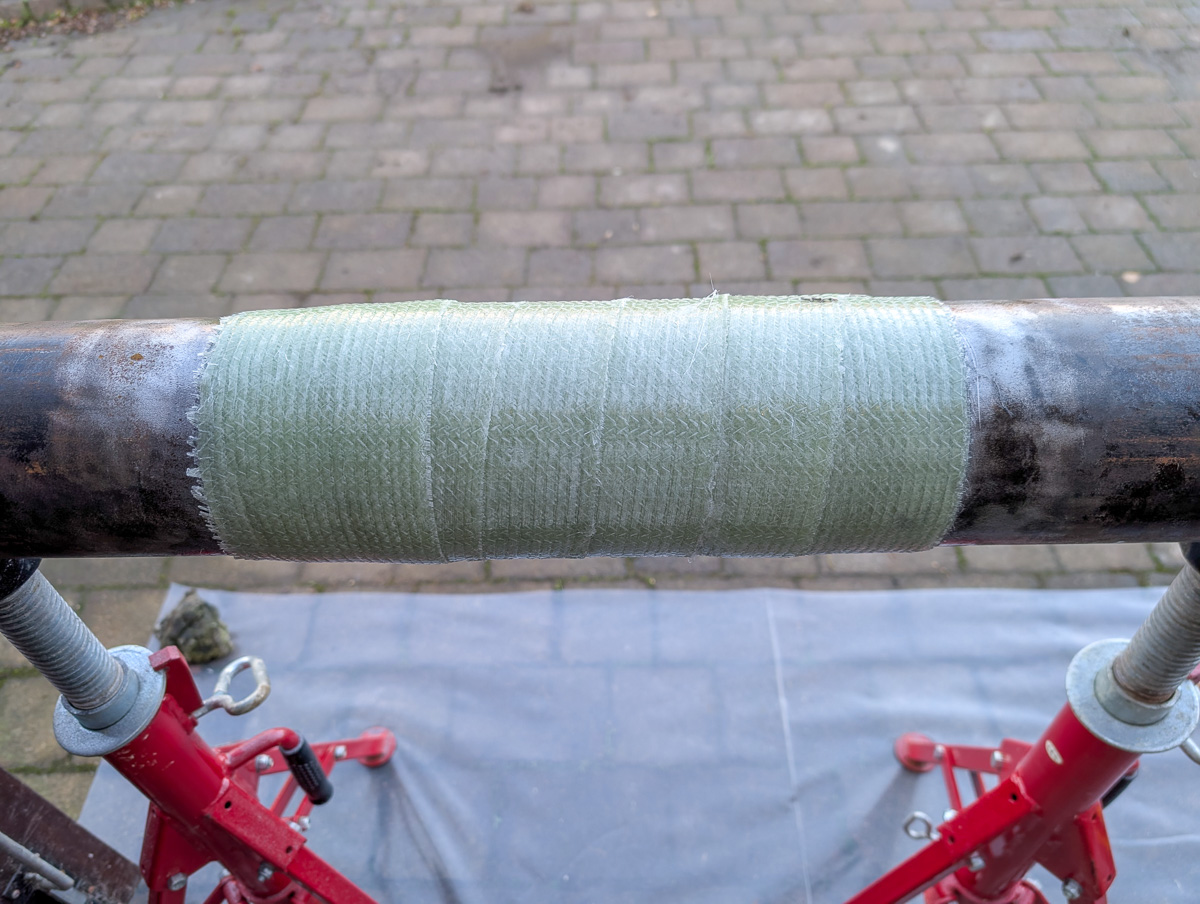
Helios 158's pot life of 5-6 hours at 25°C gives applicators ample time to complete complex repairs without rushing. The system gels in 10-14 hours and demoulds in 24 hours.
  • Pot life: 5-6 hours @ 25°C
  • Gelation: 10-14 hours @ 25°C
  • Demould: 24 hours @ 25°C
  • Full cure: 7 days ambient

Proven Under Pressure

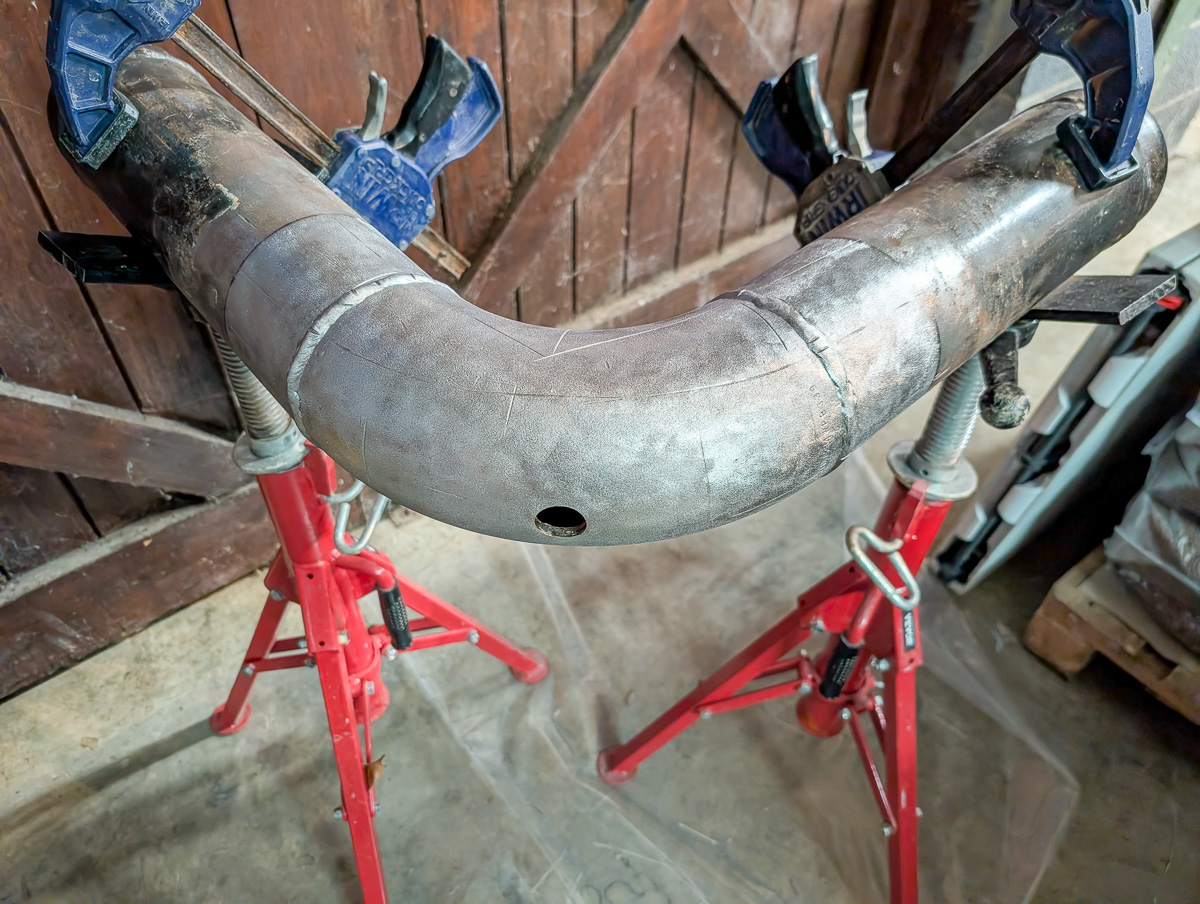
Independently tested at a UKAS-accredited lab, Helios 158 handles extreme pressures: up to 327 bar on non-leaking defects and 229 bar on leaking defects.

  • Non-leaking: up to 327 bar
  • Leaking: up to 229 bar
  • Carbon steel, stainless & CuNiFe
  • Lap shear: 10.44 MPa

Optional Post-Cure for Maximum Performance

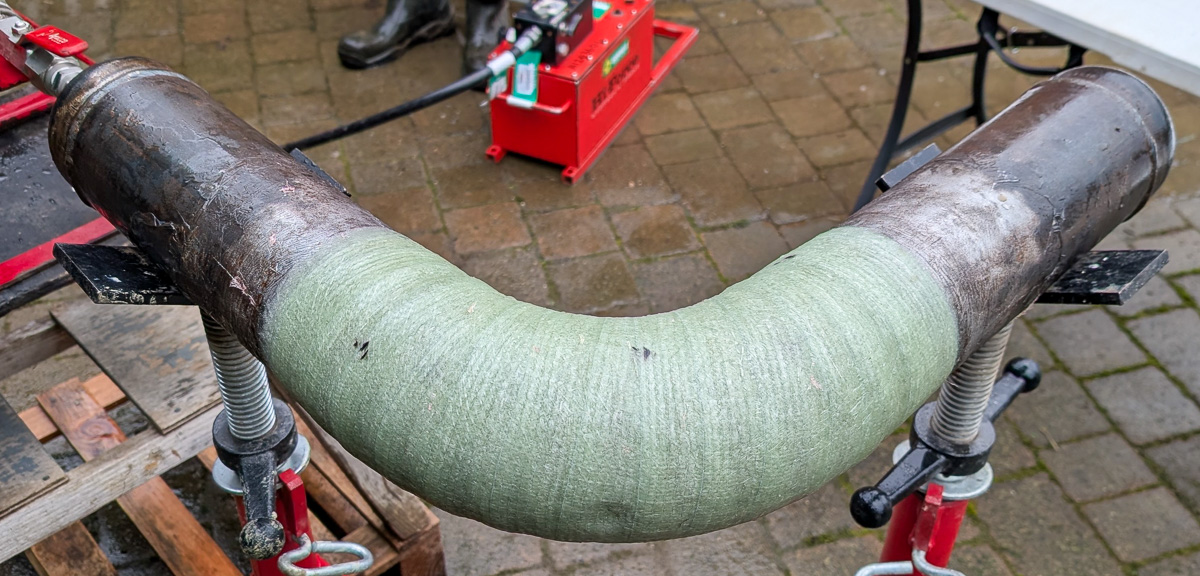
While Helios 158 cures at ambient, an optional stepped post-cure cycle (40°C to 160°C) unlocks the full Tg of 158°C for the most demanding thermal applications.
  • Stepped cycle: 40°C → 160°C
  • Achieves full Tg: 158°C
  • Accelerates full cure
  • Recommended for critical services

Use Cases

Structural Repairs

Reinforce thermally stressed components in refineries, petrochemical plants, power generation.

High-Temp Pipelines

Operating temperature up to 138°C for process lines exposed to sustained heat.

Hot Climate Installations

Cures at ambient ≥25°C with no heater blankets — ideal for desert and tropical environments.

Corrosion Under Insulation

Excellent for CUI repairs requiring high thermal stability and long-term corrosion resistance.

Frequently Asked Questions

What is the design life?

Up to 20 years per ISO 24817 / ASME PCC-2.

Does it need external heat to cure?

No — cures at ambient ≥25°C. Optional post-cure (40°C→160°C) unlocks full Tg of 158°C.

What reinforcement is used?

Quad axial E-glass (0°/90°/+45°/−45°) for maximum hoop strength.

What is the working time?

Pot life: 5–6 hours @ 25°C. Gelation: 10–14 hours. Demould: 24 hours. Full cure: 7 days ambient.

What substrates can it repair?

Carbon steel, stainless steel, CuNiFe. Lap shear: 10.44 MPa on carbon steel.

What pressure has it been tested to?

Non-leaking: up to 327 bar. Leaking: up to 229 bar. UKAS-accredited lab tested.

Technical Data

Download the Technical Data Sheet

Properties

Data

Glass transition temperature (Tg)
157.8
°C
316.04
°F
20
°C
68
°F
CTE (Circumferential)
11.76
×10⁻⁵ mm/mm/°C
6.53
×10⁻⁵ in/in/°F
CTE (Axial)
11.55
×10⁻⁵ mm/mm/°C
6.42
×10⁻⁵ in/in/°F
Composite ply thickness
1.012
mm
0.03984
in
Circumferential Young's modulus (Ec)
17685
MPa
2564992
psi
Axial Young's modulus (Ea)
17083
MPa
2477680
psi
Combined Young's modulus
17381
MPa
2520901
psi
Shear modulus
6172
MPa
895173
psi
Poisson's ration(Circ. - Ax.)
0.30
-
0.30
-
Poisson's ratio (Ax. - Circ.)
0.33
-
0.33
-
Circumferential tensile strength
327.40
MPa
47485
psi
Axial tensile strength
143.12
MPa
20758
psi
Lap shear strength
Carbon Steel: 10.44
MPa
Carbon Steel: 1517
psi
Toughness parameter
Carbon Steel: 51.36, Stainless Steel: 13.44, CuNiFe: 20.71
J/m²
Carbon Steel: 0.0244, Stainless Steel: 0.0064, CuNiFe: 0.0099
ft-lb/in²
Test temperature

Components

Use

Nitrile Gloves
Wear when handling the BindFast Metal Epoxy Putty or the Oceanus 142.
BindFast Metal Epoxy Putty
Wear when handling the BindFast Metal Epoxy Putty or the Oceanus 142.
Grip & Seal Rubber Tourniquet
Compresses the BindFast Metal Epoxy Putty into the leak site to cure.
Self-Fusing SealTape
Wrapped directly over live leaks to seal them. Also provides additional reinforcement.
Trident Pressure Pad
Pressure resistance multiplier for sealing live leaks
Oceanus 142 composite
Applied over the repair area. Cures solid and restores structural integrity to the damaged repair area.
Compression film
Compresses the Oceanus 142 composite ensuring there are no voids or delaminations.
Spike roller
Pierces holes in the compression film, allowing the Oceanus 142 composite to de-gas.