Process Piping & Pipeline Repair Services
ISO 24817 & ASME PCC-2 Engineered Composite Repair Solutions for Process Piping & Pipeline Integrity
Navigate to the page section you're interested in by clicking on the text links below
ISO 24817 & ASME PCC-2 Engineered Composite Repair Solutions for Process Piping & Pipeline Integrity
Navigate to the page section you're interested in by clicking on the text links below
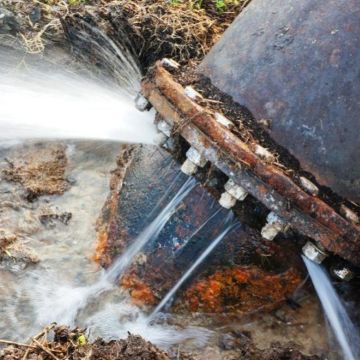
Process piping and pipelines routinely develop defects that may be non-through-wall or progress to full loss of containment over time. These defects are commonly driven by:
Without intervention, these defects can continue to grow, increasing the risk of leakage or rupture.
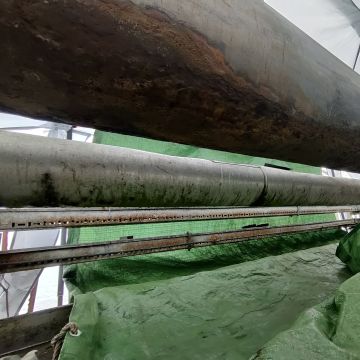
At Icarus Composites, engineered composite wrap systems are applied using spiral wrapping or patch repair methods to restore integrity and reinforce the affected area. Repairs can be designed for live or isolated systems, depending on risk, operating conditions, and defect characteristics.
Key performance benefits include:
The result is a compliant, load-sharing repair that restores containment and structural performance while extending asset life.
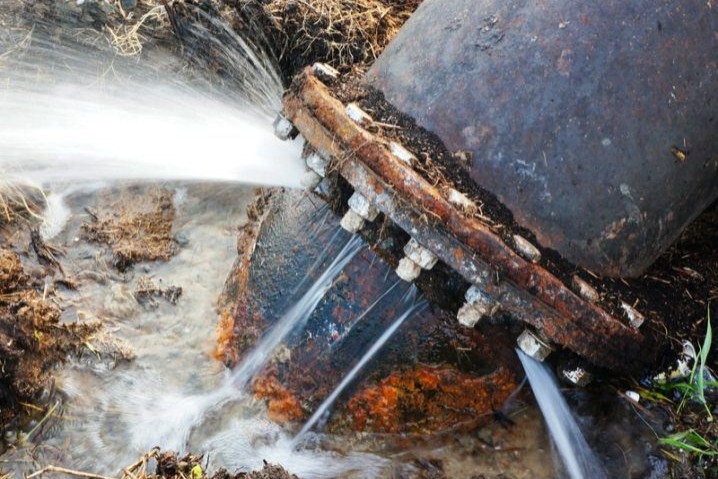
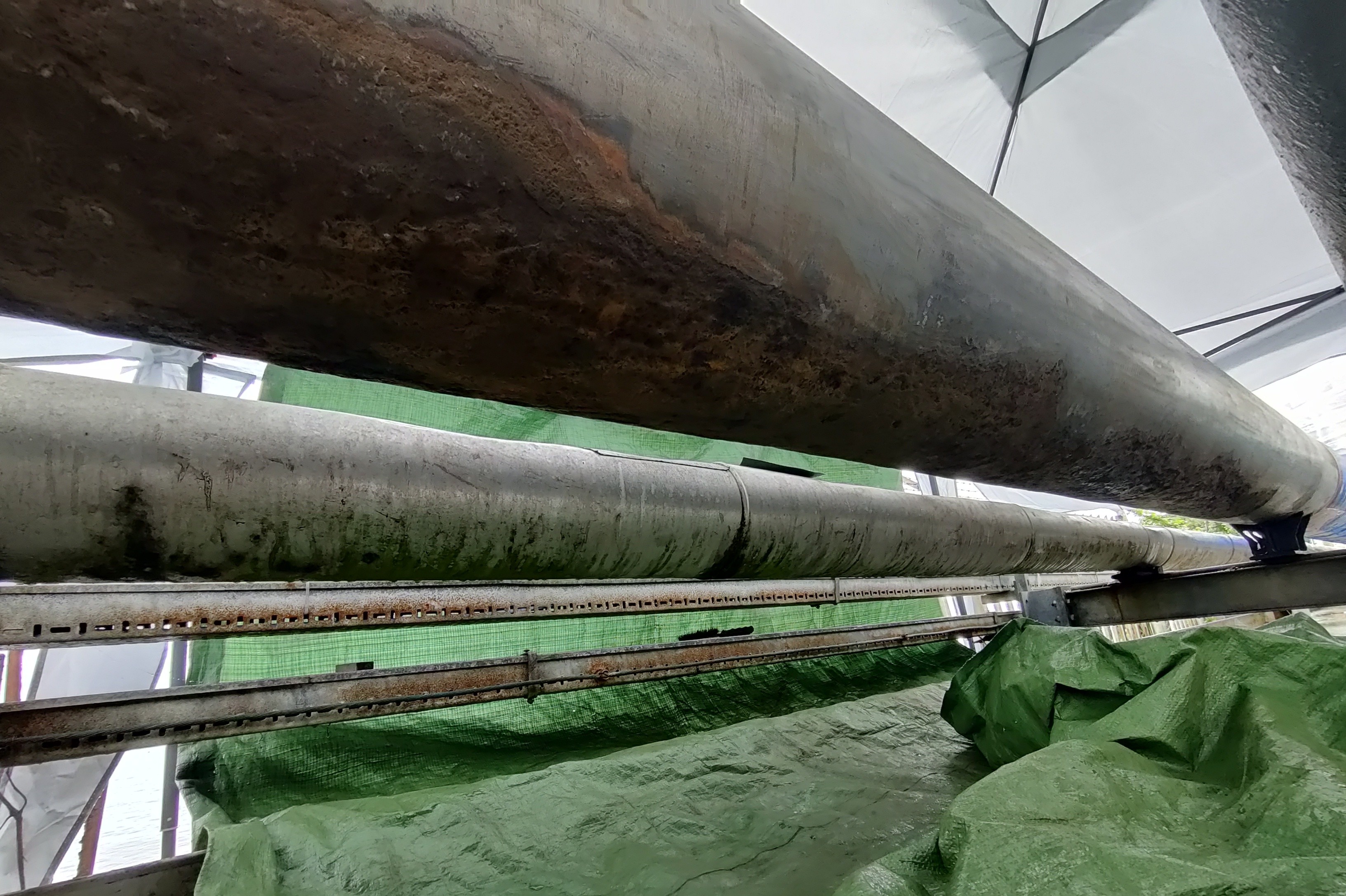
Process piping and pipelines routinely develop defects that may be non-through-wall or progress to full loss of containment over time. These defects are commonly driven by:
Without intervention, these defects can continue to grow, increasing the risk of leakage or rupture.
At Icarus Composites, engineered composite wrap systems are applied using spiral wrapping or patch repair methods to restore integrity and reinforce the affected area. Repairs can be designed for live or isolated systems, depending on risk, operating conditions, and defect characteristics.
Key performance benefits include:
The result is a compliant, load-sharing repair that restores containment and structural performance while extending asset life.
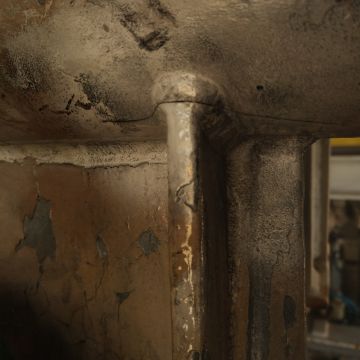
Internal corrosion and erosion present a unique challenge, as the defect may continue to grow during the repair lifetime if not properly assessed and managed. These defects are commonly caused by:
Careful engineering is required to ensure repair suitability and longevity.
At Icarus Composites, composite repair systems are designed following detailed defect assessment to account for potential ongoing degradation. Repairs are applied externally to restore pressure containment and structural capacity while maintaining compatibility with internal service conditions.
Key performance benefits include:
The result is a controlled, engineered repair that restores integrity while enabling continued safe operation.
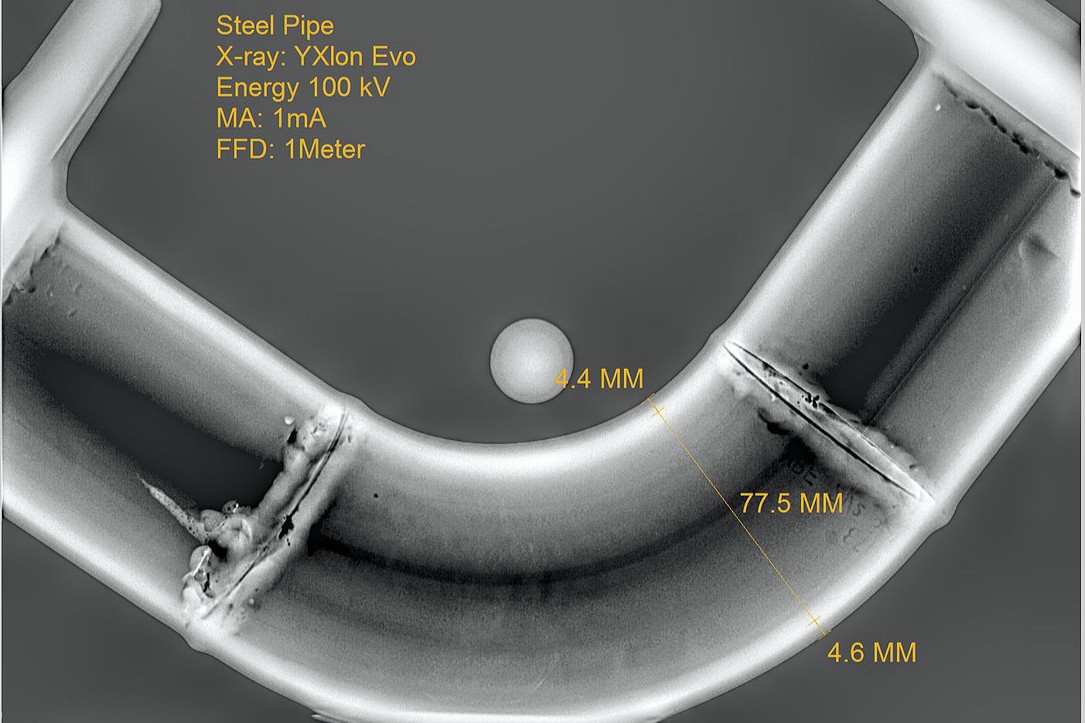
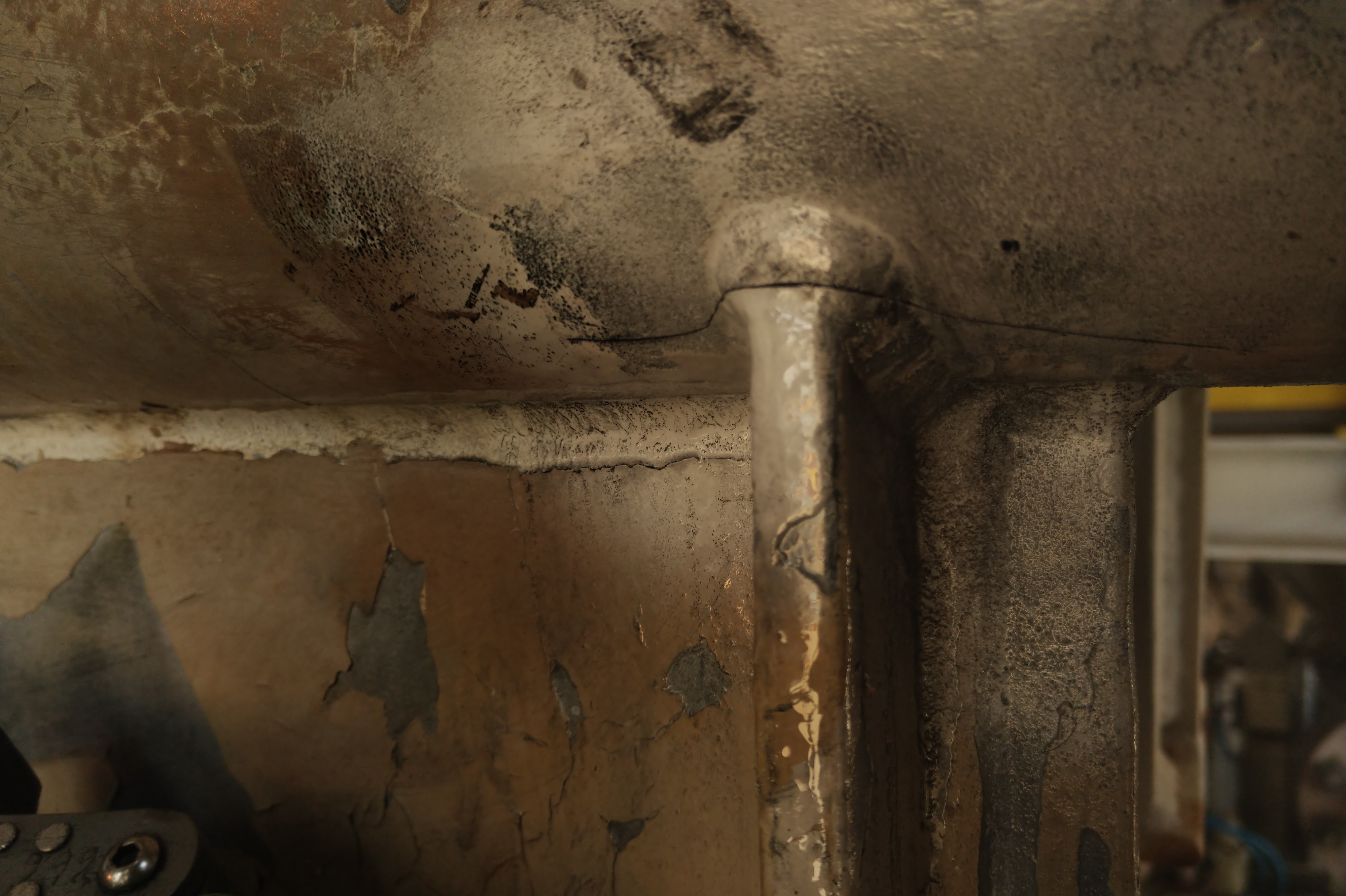
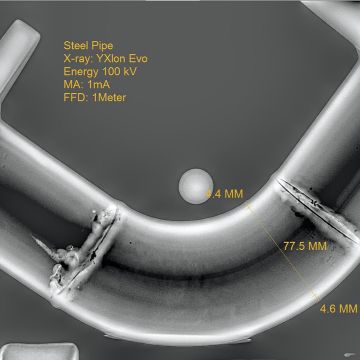
Crack-like defects and areas subject to high local stress require targeted reinforcement to prevent crack propagation and structural failure. These defects are commonly driven by:
Crack length must be known and stable for composite repair to be viable.
At Icarus Composites, composite reinforcement systems are used to bridge cracks, redistribute stresses, and stiffen local areas. Repairs can be applied to both live and isolated systems and are commonly used to reinforce high-risk features or previously repaired locations.
Key performance benefits include:
The result is a structurally stabilised repair that arrests crack propagation and extends pipeline service life.