Contents
What is Online Leak Sealing for Pipelines?How does Online Leak Sealing Work? Types of Leaks that can be SealedIndustries and Applications for Leak SealingStep-by-Step: How Online Leak Sealing is PerformedEngineering Considerations of Online Leak SealingWhen Can You Perform Online Leak Sealing Without Shutting Down?Benefits and Limitations of Leak SealingChemical Compatibility, Application Time, and Training RequirementsHow Icarus Composites Delivers Reliable Leak SealingStop Leaks Fast and Safely with Icarus CompositesIntroduction
In heavy industrial environments, uncontained leaks from corrosion, erosion, pitting, gasket failures, or mechanical defects present immediate and escalating risk. Active hydrocarbon or chemical releases can result in fires, explosions, toxic exposure, and environmental contamination—particularly acute in high-hazard sectors such as oil & gas, petrochemicals, power generation, and maritime operations.
Beyond the safety implications, even a single failure can trigger regulatory enforcement, environmental penalties, forced shutdowns, and substantial production losses. For asset owners operating pressurised systems, effective Leak Sealing is therefore not simply a maintenance activity—it is a critical risk mitigation strategy that directly protects personnel, revenue, and corporate reputation.
Traditionally, responding to an active leak in a pressurised pipeline has involved invasive and disruptive intervention. Common approaches include full system isolation and depressurisation, hot work welding to permanently repair the defect, cutting out and replacing damaged pipe sections, or installing metallic repair clamps to contain the leak. While these methods can be effective, they typically require shutdowns, introduce ignition risk through hot work, extend downtime, and increase overall project cost—particularly in high-value industrial facilities where continuity of operations is critical.
Modern Leak Sealing techniques provide a non-intrusive alternative to traditional hot work and replacement. Using specialist sealants, injectable compounds, repair tapes, patches, non-engineered containment clamps, or injectable composite enclosures, leaks can be controlled and contained while the system remains online. When combined with engineered composite wraps in accordance with ASME PCC-2 and ISO 24817, these solutions transition from temporary containment to fully compliant structural pipeline leak repair with a guaranteed design life. The result is fast, controlled, and safe online leak sealing—often delivered without shutdown, without ignition risk, and with the potential for a permanent engineered fix.
This guide explores the fundamentals of Leak Sealing, including:
- The core principles of online leak sealing
- Common methods used to seal leaks in pipelines
- When to use sealants, injectables, clamps, or a reinforced composite wrap
- The benefits and limitations of each approach
- Practical considerations such as chemical compatibility, cure time, access, and technician training
- How to evaluate whether a repair is temporary containment or a compliant, permanent pipeline leak repair
It is written to help integrity managers, engineers, and operators respond to leaks in a controlled, compliant, and commercially sound manner.

What is Online Leak Sealing for Pipelines?
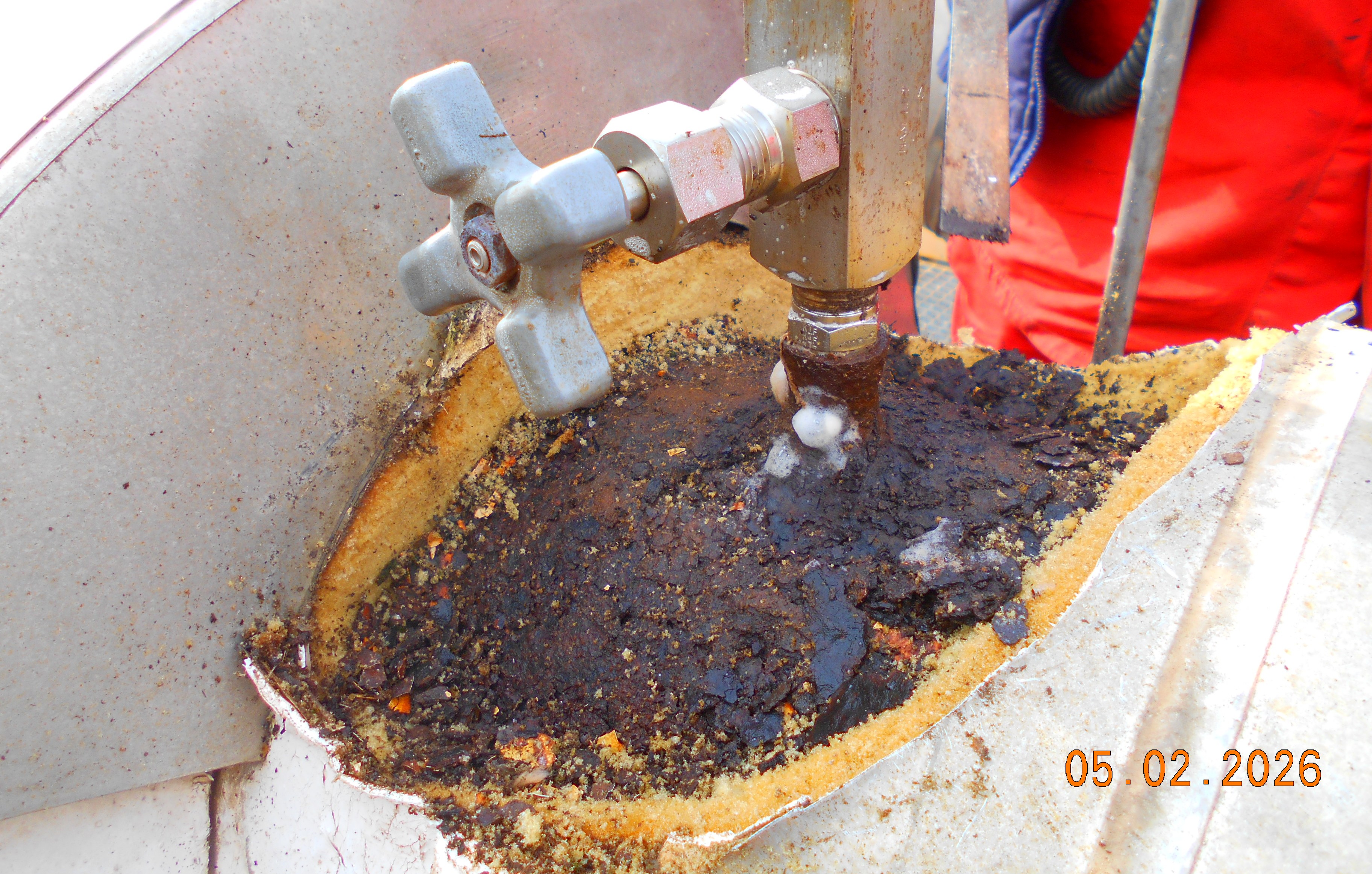
Online leak sealing is the process of containing active, through-wall leaks (classified as Type B defects under ISO 24817 and ASME PCC-2) using mechanical or chemical methods to arrest product release while the system remains pressurised and operational. It is typically implemented as an initial containment measure, stabilising the defect prior to structural reinforcement with an engineered composite wrap to restore pressure integrity and deliver a compliant, long-term pipeline leak repair solution.
Online leak sealing covers a wide spectrum of defect severity—from minor pinhole gas leaks on threaded nipples or small-bore connections, through to longitudinal splits, flange gasket failures, and even full circumferential weld failures on pressurised pipework. Regardless of scale, the principle remains the same: safely contain and control product release while the system remains operational, before progressing to a compliant, engineered pipeline leak repair solution where required.
All engineered Leak Sealing using composite materials should align with the requirements of ASME PCC-2 (Article 4) and ISO 24817, which define the framework for design, material selection, installation controls, qualification testing, and validation of safe and effective repairs. Adherence to these standards ensures that online leak sealing activities are not improvised fixes, but engineered solutions governed by internationally recognised integrity management principles.
How does Online Leak Sealing Work?
From a physics standpoint, online leak sealing works by re-establishing pressure containment at the point of failure. A through-wall defect allows internal pressure to escape because the pressure boundary has been breached.
By installing a mechanical enclosure, clamp, or creating a confined cavity around the defect, the escaping fluid is captured and a new temporary pressure boundary is formed externally to the pipe wall. Injectable sealants or plugging compounds then fill voids within this enclosure, eliminating leak paths and equalising pressure across the defect.
Once internal pressure is resisted by the external containment system—rather than venting to atmosphere—the leak is arrested. The area can then be profiled and structurally reinforced with an engineered composite wrap, which restores hoop strength and delivers a compliant, long-term pipeline leak repair.
Types of Leaks that can be Sealed
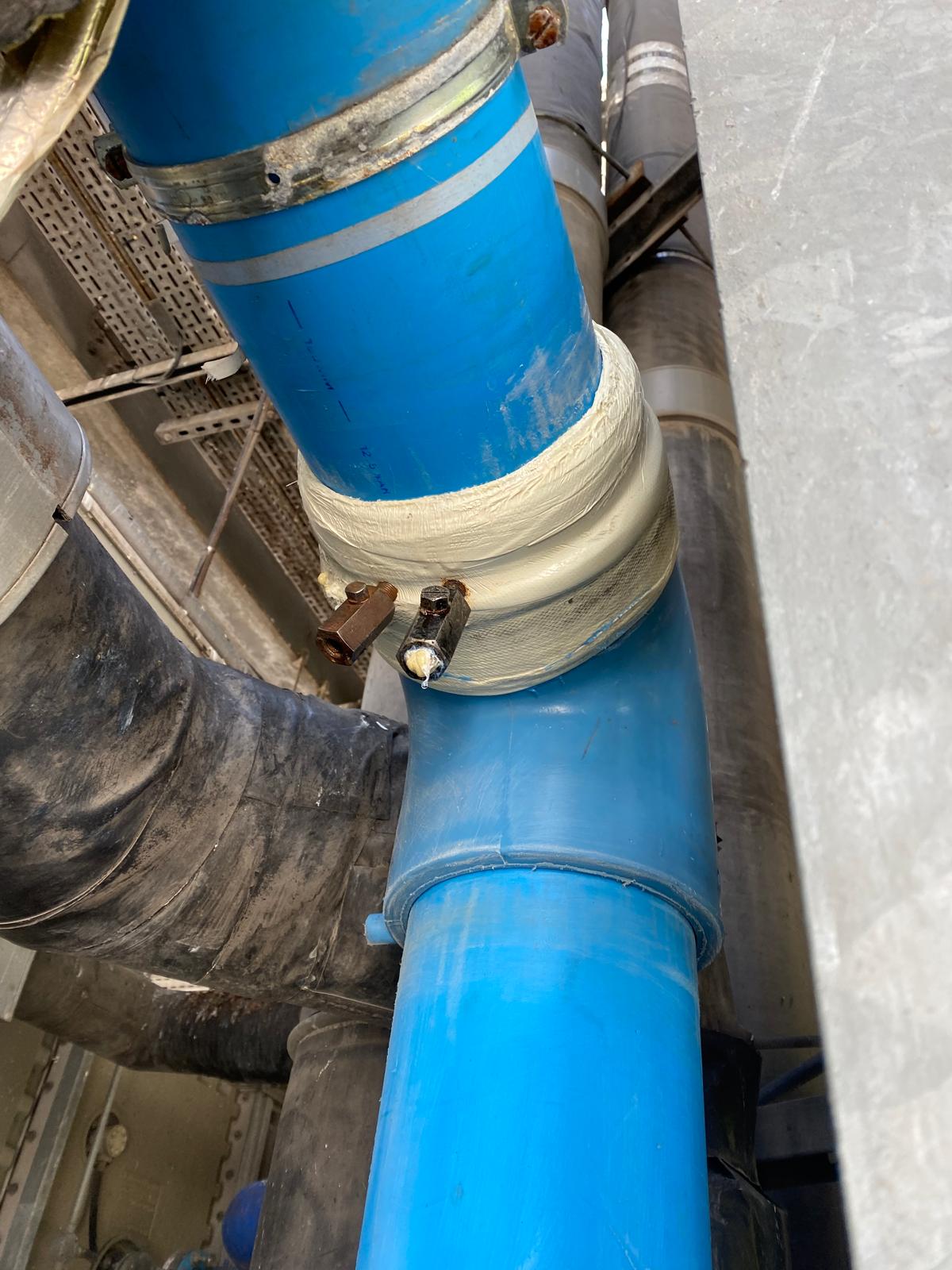
Online leak sealing is specifically targeted at through-wall defects where containment has been breached and product is actively escaping. These typically include:
- Pinhole leaks caused by localised corrosion or pitting breakthrough
- Longitudinal or circumferential slots from erosion or corrosion thinning
- Thread failures on small-bore connections and instrument nipples
- Gasket and flange seal failures
- Cracks resulting from corrosion fatigue or mechanical stress
- Minor weld defects, including root defects or partial circumferential weld failure
- Packing leaks on valves (where external containment is feasible)
In engineering terms, these defects are classified based on leak rate, internal pressure, temperature, and media characteristics to determine the appropriate Leak Sealing methodology and subsequent pipeline leak repair strategy.
Identification
Active leaks requiring online leak sealing are typically identified through:
- Routine visual inspections identifying product discharge, misting, staining, or pooling
- Pressure anomalies such as unexplained drops, fluctuations, or inability to maintain set pressure
- Gas detection alarms or hydrocarbon monitoring systems triggering alerts
- Thermal imaging identifying temperature differentials caused by escaping fluid
- Acoustic emission monitoring detecting high-frequency leak noise
- Inline inspection (ILI) findings indicating wall loss or crack growth progressing to through-wall failure
- Operator reports of odour, vapour clouds, or abnormal process behaviour
Early detection enables controlled Leak Sealing intervention before escalation into a major integrity or safety incident.
Low-Flow Leaks
Low-flow leaks typically present as pinholes or slow seeps where product release is limited but continuous. These defects are often associated with localised corrosion, minor pitting breakthrough, or small thread imperfections. In such cases, Leak Sealing can often be achieved using specialist repair tapes, epoxy putties, or bonded patches to immediately arrest the leak. Once contained, the area may be further reinforced with a composite wrap if structural restoration is required for a compliant pipeline leak repair.

High-Flow & High-Pressure Leaks
High-flow or high-pressure leaks include slots, partial ruptures, burst sections, and significant thread or seal failures where product release is forceful and sustained. These scenarios require controlled containment—typically through the installation of a mechanical enclosure or diverter that captures and redirects flow, followed by the injection of specialist sealants into a confined cavity (injectable collar arrangement) to eliminate leak paths. This form of online leak sealing stabilises the defect under pressure, enabling subsequent reinforcement with a composite wrap where a fully engineered pipeline leak repair is required.
Complex Geometries
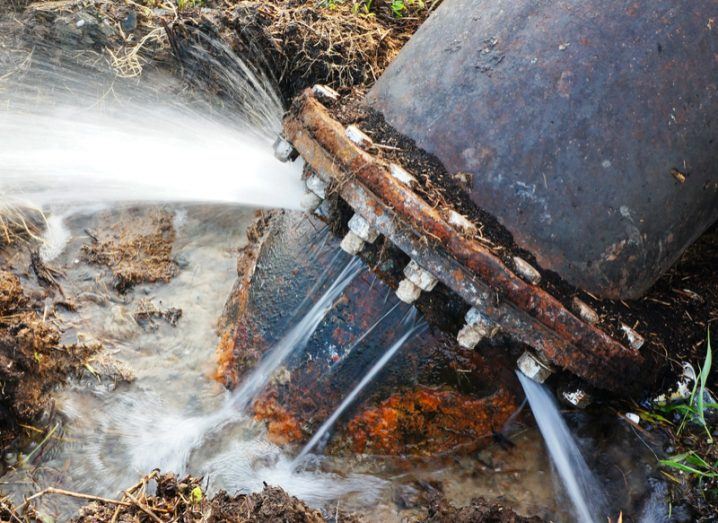
Online leak sealing can be successfully applied to a wide range of pipeline geometries, including straight pipe sections, small-bore nipples, flanges, elbows, tees, valve bodies, and threaded connections. A key advantage of composite materials is their high conformability—engineered fibres and resin systems can be adapted to complex shapes, offsets, and protrusions without introducing significant stress concentrations. This allows the creation of an Injectable Composite Enclosure around irregular geometries, including flanged joints and valve assemblies, using systems such as Oceanus Injectable. By forming a custom-moulded external pressure boundary, this approach enables controlled containment even where traditional metallic enclosures would be impractical.
Limitations
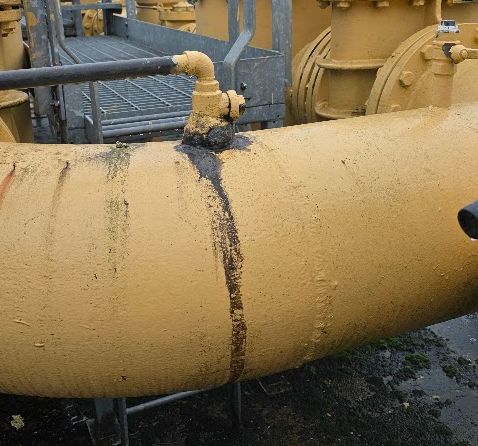
That said, limitations remain. Massive ruptures with extensive section loss, defects operating at extreme temperatures without suitably heat resistant materials, or assets with unknown or unassessable internal degradation may fall outside the safe scope of conventional Leak Sealing. When performing Leak Sealing on hydrocarbon systems. Safety constraints often restrict mechanical surface preparation due to ignition and spark risk, especially in classified areas. The inability to adequately prepare the substrate can compromise adhesion when forming an Injectable Composite Enclosure using systems such as Oceanus Injectable. Without proper surface profiling and contamination removal, there is an increased risk of disbondment from the substrate under pressure, which can undermine the integrity of the containment system during sealing. In these cases, a formal engineering assessment is required to determine whether containment and composite reinforcement are viable, or whether isolation and replacement represent the safer solution.
Industries and Applications for Leak Sealing
Online leak sealing is essential in high-stakes industries where pressurised systems are integral to operations and unplanned downtime carries significant financial, safety, and regulatory consequences. Key industries that utilise Leak Sealing include:
- Oil & Gas (Upstream, Midstream, Downstream)
- Petrochemical and Refining
- Power Generation (Conventional and Nuclear)
- Maritime and Offshore Marine
- Mining and Mineral Processing
- Water and Wastewater Utilities
- District Heating and Energy Distribution
- Heavy Manufacturing and Process Industries
In each of these sectors, rapid industrial pipeline leak sealing enables containment of active leaks while maintaining operational continuity and managing risk.
Oil & Gas (Upstream, Midstream, Downstream)
Across upstream, midstream, and downstream operations, Leak Sealing plays a critical role in maintaining containment on offshore platforms, onshore transmission lines, refineries, and subsea infrastructure. Pressurised hydrocarbon systems—whether gas export lines, produced water pipework, or crude transfer systems—operate under conditions where shutdowns are commercially and operationally disruptive.
Online leak sealing enables controlled containment of active leaks on offshore topsides, subsea pipelines, compressor stations, and refinery process units, reducing ignition risk and avoiding hot work where possible. In these environments, rapid response and compliance with recognised standards are essential to protect personnel, the environment, and production continuity.
Petrochemical Plants & Refineries
In petrochemical plants and refineries, complex networks of chemical lines and high-pressure process piping operate continuously under demanding thermal and chemical conditions. Leaks in these environments—whether from corrosion, gasket failure, vibration fatigue, or thermal cycling—can result in hazardous releases, regulatory scrutiny, and significant production losses.
Online leak sealing provides a controlled method of containing active leaks on process lines, flanges, valves, and small-bore connections without immediate shutdown. When followed by reinforcement with a composite wrap where appropriate, this approach enables compliant pipeline leak repair while maintaining plant availability and minimising operational disruption.
Power Generation (Including Nuclear)
Power generation facilities—whether conventional thermal, combined cycle, or nuclear—rely on high-pressure steam, condensate, cooling water, and auxiliary process systems operating continuously under strict regulatory oversight. Leaks in these systems can result in rapid energy loss, forced derating, or full unit trips, with significant commercial impact.
In such environments, Leak Sealing enables controlled containment of active leaks on steam lines, auxiliary pipework, and balance-of-plant systems without immediate shutdown. For nuclear facilities in particular, procedural control, material qualification, and strict adherence to engineering standards are critical when performing online leak sealing, ensuring safety, compliance, and continued operational reliability.
Maritime / Marine
In maritime and offshore marine environments, pipework systems operate in confined spaces under constant vibration, salt exposure, and mechanical loading. Leaks in fuel lines, ballast systems, cooling water circuits, or hydraulic pipework can create immediate safety risks and disrupt vessel operations or offshore production schedules.
Online leak sealing enables rapid containment of active leaks onboard vessels or offshore assets without dry docking or production shutdown. When required, reinforcement with a composite wrap provides a compliant pipeline leak repair, helping extend service intervals while maintaining operational readiness.
Mining
Mining operations rely heavily on slurry pipelines, dewatering systems, compressed air lines, and process pipework that are subjected to severe abrasion, erosion, and impact loading. Leaks commonly develop due to internal wear or mechanical damage, often in remote locations where replacement components are not readily available.
In these settings, Leak Sealing provides a controlled method of arresting product loss and maintaining throughput until a planned shutdown can be arranged. Where structural reinforcement is required, a composite wrap can convert containment into a long-term pipeline leak repair, reducing downtime and improving asset resilience in harsh operating environments.
Water / Wastewater & Utilities
Water, wastewater, and utility networks operate extensive pressurised distribution systems that are critical to public health and essential services. Leaks in potable water mains, wastewater transfer lines, cooling water systems, or district heating networks can result in service disruption, environmental contamination, and regulatory scrutiny.
Online leak sealing provides a practical solution for containing active leaks in live distribution systems where isolation may affect large service areas. When required, reinforcement with a composite wrap enables a compliant pipeline leak repair, helping utilities maintain continuity of supply while managing ageing infrastructure and budget constraints.
Environments: High-Pressure, Chemical, Subsea
Leak Sealing is frequently deployed in some of the most demanding operating environments—high-pressure systems, chemically aggressive service, and subsea installations. In high-pressure applications, containment solutions must resist significant hoop stresses and prevent further propagation of defects. In chemical service, sealants and reinforcement materials must be carefully selected for compatibility with hydrocarbons, acids, solvents, or other aggressive media to ensure long-term stability.
Subsea environments introduce additional complexity, including hydrostatic pressure, limited access, and diver or ROV intervention constraints. In such conditions, online leak sealing must account for fluid dynamics, external pressure differentials, and curing performance underwater, often forming a controlled enclosure before progressing to structural reinforcement with a composite wrap where appropriate.
Step-by-Step: How Online Leak Sealing is Performed
Effective online leak sealing is not an improvised activity—it follows a structured engineering and execution process designed to control risk, arrest product release, and restore containment safely. From initial assessment through to final reinforcement, each stage must account for pressure, temperature, media compatibility, defect geometry, and access constraints.
In this section, we will explain the following Leak Sealing methods step by step:
- Mechanical sealing using epoxy putties and compounds
- Mechanical sealing using self-amalgamating tape
- Internal or external bonded patch repairs
- Non-engineered pipe repair clamps
- Injectable composite collar systems
Each method serves a specific function depending on leak severity, geometry, and operating conditions, and may be used independently or as a precursor to reinforcement with a composite wrap for a compliant pipeline leak repair.
Mechanical Sealing with Epoxies
Mechanical sealing with epoxy compounds is commonly used for low- to moderate-flow defects where direct access to the leak is possible. A steel-filled epoxy putty such as BindFast Steel Epoxy Putty is manually forced into the defect, displacing escaping product and mechanically keying into the damaged area. The objective is to create a dense, pressure-resistant plug that blocks the leak path.
To maintain compression during curing, a Grip & Seal Rubber Tourniquet is applied circumferentially around the pipe, holding the epoxy firmly in place and counteracting internal pressure. As the epoxy cures, it forms a rigid mechanical barrier that restores local containment. Where structural reinforcement is required, the sealed area can then be profiled and overwrapped with a composite wrap to complete a compliant pipeline leak repair.

Mechanical Sealing with Self-Amalgamating Tape
Mechanical sealing with self-amalgamating tape is typically used for small pinholes or low-pressure seeps where controlled compression can arrest the leak. The tape is stretched under tension and wrapped in successive, overlapping layers around the pipe. As each layer fuses to the next, the material self-bonds to form a homogeneous rubber band without adhesive interfaces.
This creates increasing radial compression over the defect, counteracting internal pressure and closing the leak path through mechanical force. The resulting elastomeric sleeve provides immediate containment and flexibility. Where required, the repair can then be stabilised and structurally reinforced with a composite wrap to transition from temporary Leak Sealing to a longer-term pipeline leak repair solution.
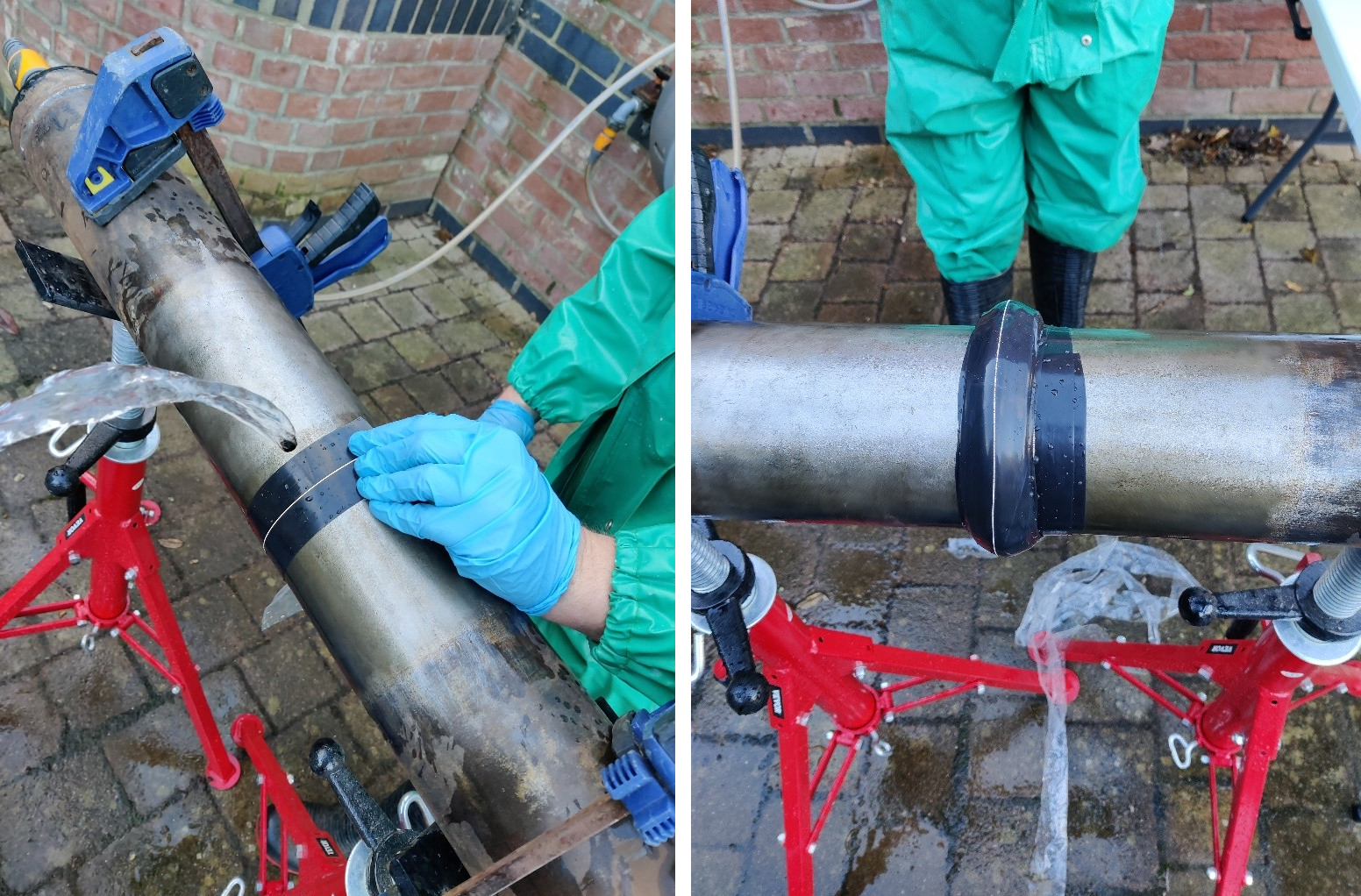
Internal / External Patch
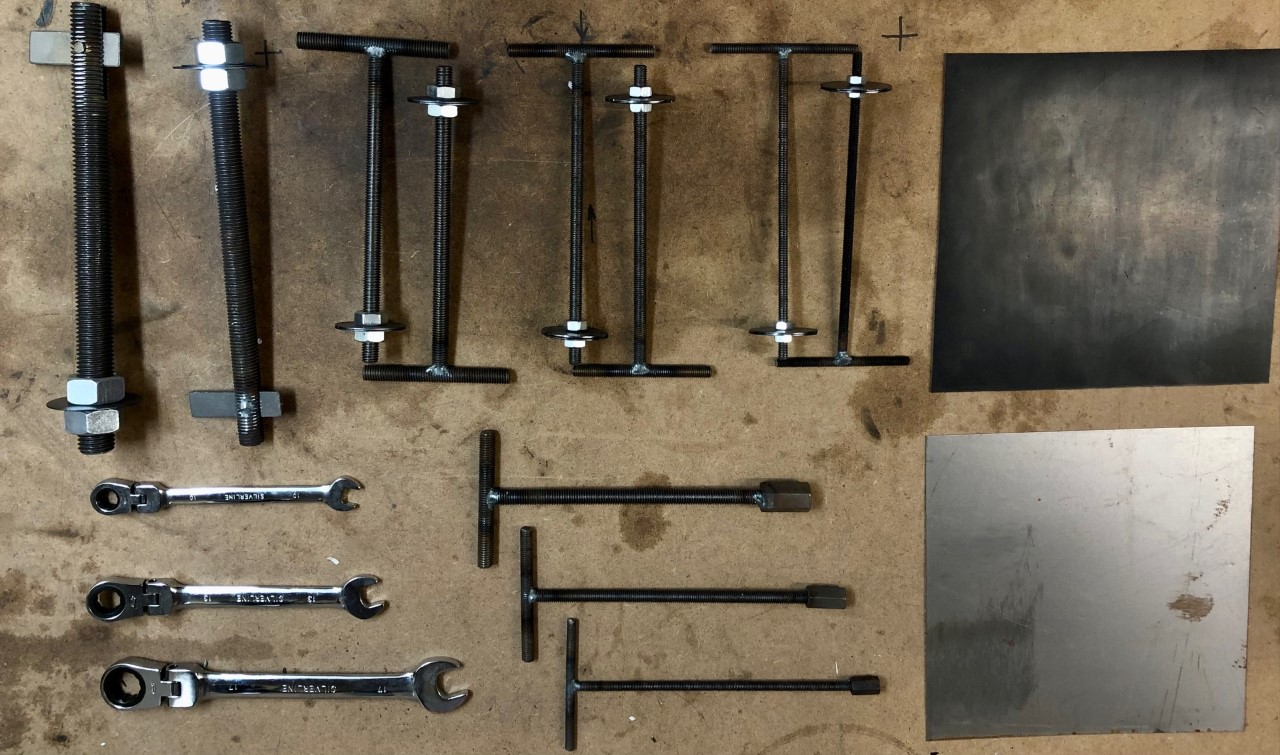
An internal/external patch is a mechanical plugging arrangement designed to seal localised through-wall defects where access and geometry allow insertion. The system consists of two elastomeric gaskets mounted on a threaded bar or stud assembly. One gasket is inserted through the defect into the pipe bore, while the opposing gasket remains external to the pipe surface.
As the threaded assembly is tightened, the two gaskets are drawn together, compressing firmly against the internal and external pipe walls. This creates a pressure-retaining seal by mechanically clamping the defect between the two sealing elements. The method establishes an immediate containment boundary and can be used as a standalone Leak Sealing measure or as a stabilisation step prior to reinforcement with a composite wrap for a compliant pipeline leak repair.
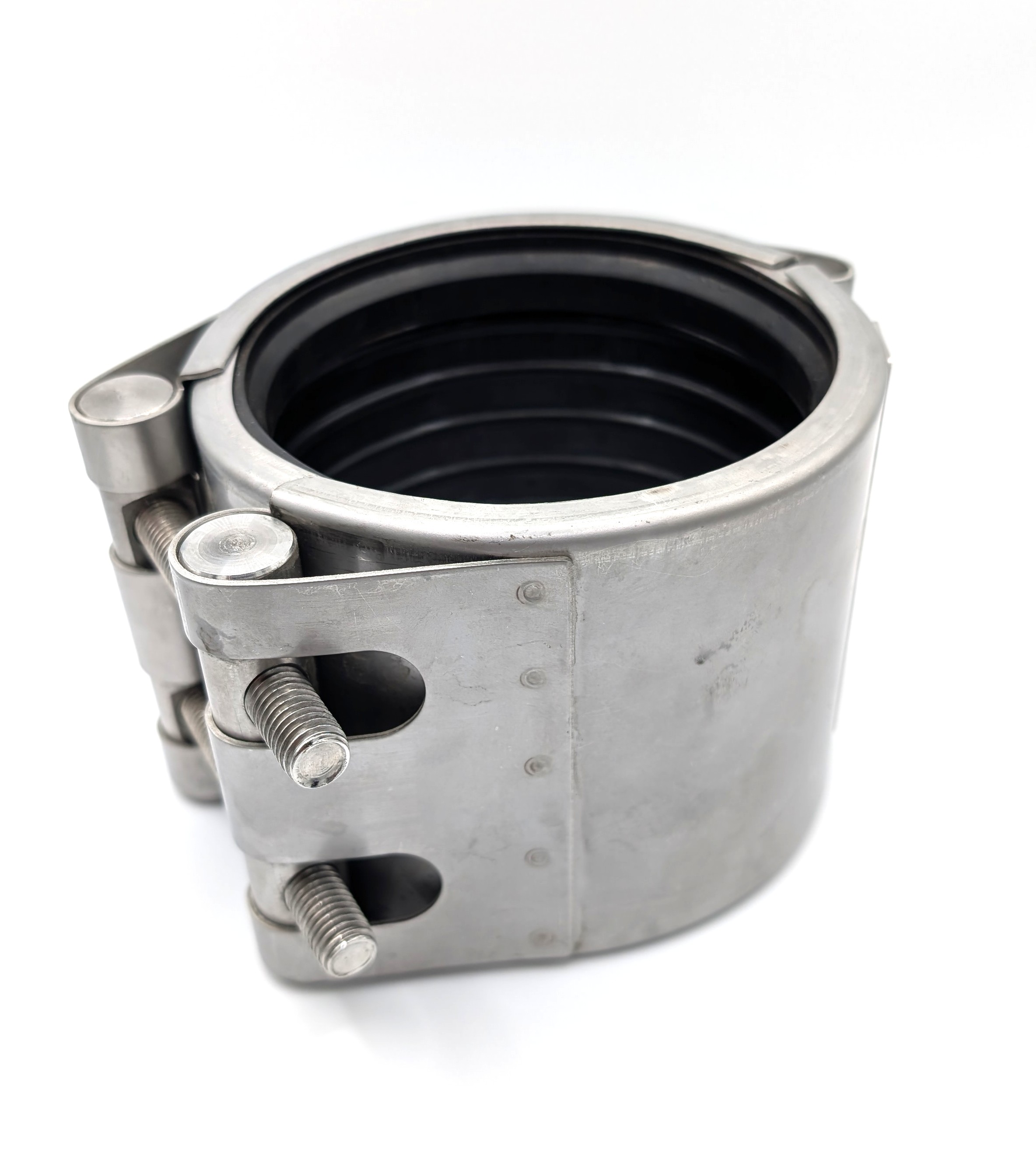
Non-Engineered Pipe Repair Clamp
A non-engineered pipe repair clamp provides rapid mechanical containment for moderate- to high-flow leaks. Typically constructed from high-temperature stainless steel (e.g., SS304 cover with stainless tie rods) and fitted with an NBR (Nitrile Butadiene Rubber) or FKM (fluoroelastomer) gasket, the clamp is installed over the defect and tightened to apply uniform circumferential compression. The NBR or FKM gasket deforms under bolt load, conforming to surface irregularities and creating a pressure-retaining seal capable of withstanding elevated temperatures and chemical exposure.
While the clamp itself functions as a containment device, it can be overwrapped with an engineered composite wrap to restore hoop strength and convert the intervention into a compliant, long-term pipeline leak repair. This approach bridges the gap between immediate Leak Sealing and permanent structural reinforcement without requiring shutdown.
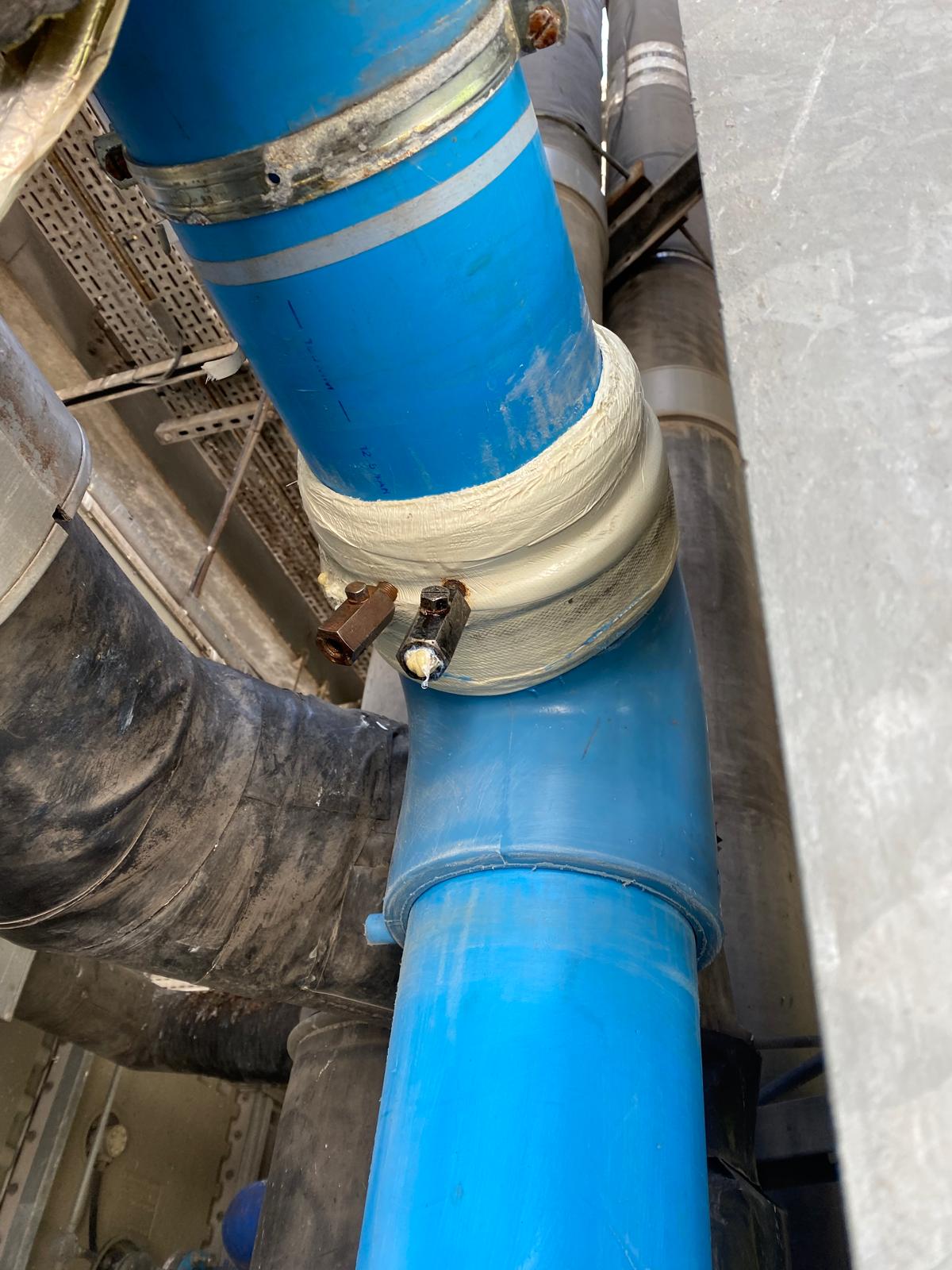
Injectable Composite Collar
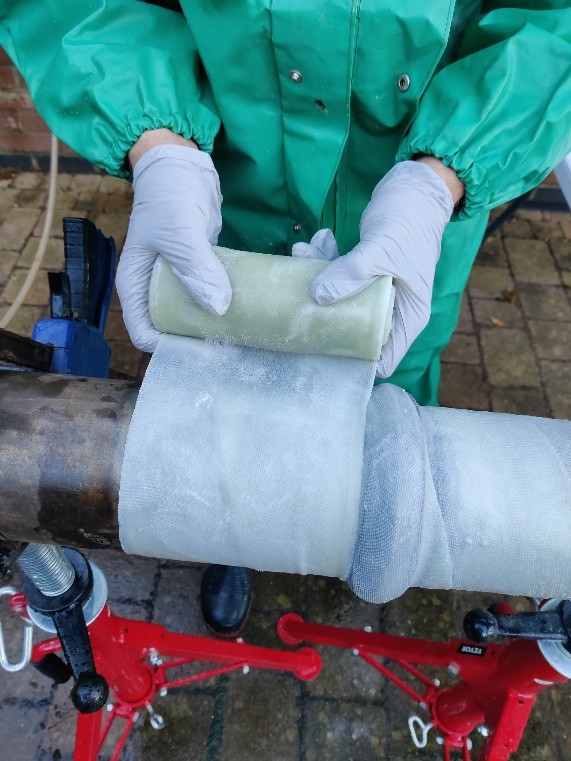
An Injectable Composite Collar is formed by applying a water-activated composite system—such as Oceanus Injectable—around the leaking defect to create a custom-moulded external enclosure. The composite conforms to complex geometries, hardening to form a rigid collar that establishes a new pressure boundary around the leak.
Once cured, the collar can be drilled and tapped to install injection ports, allowing specialist sealants to be introduced directly into the confined cavity surrounding the defect. This enables controlled filling of leak paths under pressure, effectively arresting product escape. The result is a contained, engineered online leak sealing solution that can be further reinforced with additional composite wrap layers to deliver a compliant and durable pipeline leak repair.
Engineering Considerations of Online Leak Sealing
While online leak sealing can be deployed rapidly, its success depends on rigorous engineering assessment and controlled execution. Each intervention must account for internal pressure, temperature, media properties, defect geometry, substrate condition, and the mechanical behaviour of the containment system under load.
This section outlines the critical engineering factors that determine whether a Leak Sealing strategy is viable, how it should be designed, and when reinforcement with a composite wrap is required to achieve a compliant and durable pipeline leak repair.
Pressure
Pressure is one of the primary engineering constraints in online leak sealing. High-pressure or high-volume releases introduce significant safety risk due to fluid velocity, stored energy, and the potential for sudden volume discharge during containment or injection. In hydraulic systems especially, the energy density of the fluid can result in forceful ejection during drilling, tapping, or sealant injection if not properly controlled.
As pipe diameter increases, the total internal force acting on the defect and any external enclosure increases proportionally to the internal pressure and cross-sectional area. This means the achievable sealing pressure using mechanical containment methods may reduce with increasing pipe diameter unless the enclosure or composite collar is specifically designed to resist the higher resultant forces. Proper calculation of pressure loads, injection pressure control, and staged containment are therefore critical to safe and effective Leak Sealing.
Temperature
Temperature significantly influences the viability and performance of online leak sealing methods. Mechanical sealing approaches—such as elastomeric gaskets, epoxy putties, tapes, and injectable compounds—are limited by their maximum service temperature and curing characteristics. Exceeding these limits can result in softening, degradation, loss of compression, or chemical breakdown of the sealing medium.
For solutions that transition into structural reinforcement, the glass transition temperature (Tg) of the composite wrap system becomes critical. The operating temperature must remain below the qualified Tg to ensure the laminate retains stiffness and load-bearing capability. Additionally, elevated temperatures—particularly steam leaks—introduce serious safety risks due to burn hazard, flashing, and rapid vapour expansion. Engineering assessment must therefore confirm material compatibility, curing feasibility, and safe working conditions before proceeding with any Leak Sealing intervention.
Cyclic Loading
Cyclic pressure and temperature conditions present a significant challenge for online leak sealing. When pipework is subject to repeated expansion and contraction due to thermal cycling or fluctuating operating pressure, the defect geometry can dynamically open and close. This movement places shear and tensile stress on sealants, gaskets, and mechanical containment systems, increasing the likelihood of seal fatigue or loss of compression.
In systems with frequent cycling, sealing compounds may crack, elastomeric elements may relax, and bonded interfaces may degrade over time. Engineering assessment must therefore consider the magnitude and frequency of cycles when selecting a Leak Sealing method. In many cases, stabilising the defect and reinforcing it with a composite wrap is necessary to distribute stresses and provide longer-term resistance to cyclic loading in a compliant pipeline leak repair.
Internal Erosion / Corrosion
When a leak is caused by active internal erosion or corrosion, the defect mechanism does not stop simply because the leak has been sealed. If the process conditions remain unchanged, ongoing wall loss may continue beneath or adjacent to the containment system. Over time, the defect can enlarge beyond the original footprint, potentially exceeding the capacity of the initial Leak Sealing method.
This is particularly critical where containment relies solely on mechanical compression or localised plugging. Without addressing the root cause—such as flow velocity, solids content, chemical composition, or corrosion rate—the defect may propagate to a size that compromises the enclosure or seal. For this reason, engineering evaluation must consider remaining wall thickness, corrosion growth rate, and design life assumptions when planning online leak sealing, and where appropriate, incorporate structural reinforcement with a composite wrap to deliver a more resilient pipeline leak repair.
When Can You Perform Online Leak Sealing Without Shutting Down?
Online leak sealing can be performed safely without shutdown when defined engineering, safety, and access criteria are satisfied. The decision is not purely operational—it is a technical judgement based on defect behaviour, system conditions, and risk control.
Online intervention is typically feasible where:
- Pressure and release volume are within engineering limits of the chosen containment method, with injection and enclosure design capable of resisting resultant forces.
- No active or critical crack propagation is occurring, particularly where brittle fracture or rapid growth mechanisms are present.
- The substrate remains structurally stable, with sufficient sound parent material to support compression loads or provide a suitable landing area for a composite wrap if transitioning to permanent reinforcement.
- All sealants, gaskets, and composite materials are chemically compatible with the process media and operating temperature.
- No unacceptable fire or ignition risk exists—especially on hydrocarbon lines where surface preparation methods that may generate sparks cannot be performed in classified areas.
- Full physical access to the repair location is available, allowing safe installation, controlled injection, and quality verification.
Conversely, shutdown or isolation may be required where defects are unsuitable for controlled containment, including:
- Large or unstable cracks with risk of rapid propagation
- Extreme pressure or high-volume release beyond the capacity of mechanical or injectable systems
- Severe vibration or dynamic movement that would compromise sealing integrity
- Substrate collapse, gross wall loss, or structural instability
- Uncontrolled jetting that prevents safe enclosure or injection
Where these exclusion criteria are present, attempting Leak Sealing without isolation can elevate risk rather than mitigate it. Engineering assessment must therefore determine whether online leak sealing is a controlled intervention—or whether shutdown remains the safer course of action.
Benefits and Limitations of Leak Sealing
Leak Sealing offers a powerful risk mitigation tool for operators managing pressurised industrial systems—but it is not universally applicable. Like any engineering intervention, it carries defined advantages and technical limitations that must be understood before deployment.
This section outlines the operational, commercial, and safety benefits of online leak sealing, alongside the constraints and scenarios where alternative repair strategies may be more appropriate. A balanced understanding enables integrity managers and engineers to determine when containment under pressure is a sound decision—and when isolation or replacement is justified.
Key Benefits
When properly engineered and executed, online leak sealing provides significant operational and safety advantages over traditional shutdown-based repairs. Its value lies in rapid containment, risk reduction, and the ability to transition into a compliant long-term solution when reinforced appropriately.
Key benefits include:
- No shutdown or hot work required, reducing production loss and ignition risk
- Rapid deployment, often completed within minutes to hours depending on defect severity
- Cost-effective intervention, avoiding full pipe replacement or extended outage
- Immediate reduction of spills and environmental exposure, limiting regulatory and reputational impact
- Capability to transition into a permanent repair when reinforced with a composite wrap in accordance with recognised standards
- Versatility across complex geometries, including flanges, elbows, valves, and small-bore connections
- Reduced secondary damage, as pressure containment is restored quickly
For many industrial operators, Leak Sealing represents the most commercially and operationally efficient method of managing active pipeline leaks while maintaining asset availability.
Limitations and Disadvantages
While online leak sealing offers significant advantages, it is not a universal solution and must be applied within clearly defined engineering boundaries. Improper application or overestimation of its capability can introduce additional risk.
Key limitations include:
- Requires specialist expertise and engineering judgement, particularly for high-pressure or high-risk systems
- Often temporary without structural reinforcement, unless converted into a permanent solution with a composite wrap
- Limited by flow rate and internal pressure, which may exceed the capacity of mechanical or injectable containment methods
- Dependent on substrate condition, as unstable or heavily degraded pipework may not support sealing loads
- Challenging under cyclic loading or vibration, which can fatigue seals and mechanical enclosures
- Ongoing monitoring may be required, especially where the root cause (e.g., internal corrosion or erosion) remains active
Understanding these constraints ensures that Leak Sealing is deployed as a controlled engineering intervention rather than an improvised fix, maintaining safety and integrity throughout the asset’s operational life.
Comparison: Leak Sealing vs. Traditional Repair Methods
The table below compares online leak sealing, welding, isolation and replacement, and engineered clamp systems. While engineered clamps provide a robust structural solution, they introduce weight, cost, and installation considerations that differ significantly from rapid Leak Sealing interventions.

Engineered clamps can provide a durable structural repair, but they are typically heavy, expensive, and may introduce additional loading on the pipework that requires structural verification. In contrast, online leak sealing using composite materials offers a lightweight, rapid-response solution that can transition into a compliant pipeline leak repair when reinforced with a composite wrap—often with significantly lower mobilisation time and cost.
Chemical Compatibility, Application Time, and Training Requirements
Successful online leak sealing depends not only on mechanical containment, but also on material science, execution timing, and technician competency. Selecting the correct sealants, gaskets, and composite materials for the operating media and temperature is critical to prevent degradation, softening, or chemical attack.
Equally important are cure times, working windows, and installation sequencing—particularly when sealing active leaks under pressure. Finally, the effectiveness and safety of any Leak Sealing intervention are directly influenced by the training and experience of the technicians performing the work. This section outlines the key considerations that determine whether a repair will perform reliably in service and transition successfully into a compliant pipeline leak repair where required.
Chemical Compatibility
Chemical compatibility is a critical consideration in online leak sealing. Sealants, elastomeric gaskets, injectable compounds, and composite resin systems must be capable of withstanding continuous exposure to the process media without swelling, embrittlement, softening, or chemical degradation.
Many sealing materials perform well in common service environments such as natural gas, hydrocarbons, water, steam condensate, and hydraulic fluids. However, aggressive media—including strong acids, solvents, amines, high H₂S concentrations, or high-aromatic hydrocarbons—can significantly affect material performance. Compatibility data sheets, immersion testing where necessary, and review of chemical resistance charts should therefore form part of the engineering assessment before deploying any Leak Sealing solution.
Application Time and Process
The duration of an online leak sealing intervention can range from minutes to several hours—or, in more complex cases, multiple days—depending on leak severity, pressure, accessibility, and the containment method selected. Low-flow pinholes may be sealed rapidly using mechanical compression or putty systems, whereas high-volume defects requiring enclosure fabrication and staged injection will take longer to stabilise.
Sealants and injectable compounds require sufficient dwell time to fully cure under in-service conditions. Flow rate, internal pressure, temperature, and media composition can all influence curing performance and seal integrity. As a best practice, seals should be left in place and monitored—typically overnight—before being considered stable, allowing confirmation that containment has been achieved and no secondary leak paths remain. Where reinforcement with a composite wrap follows, cure times of the composite system must also be factored into the overall pipeline leak repair schedule.
Training and Certification Needs
Online leak sealing must only be performed by trained and competent personnel. The risks associated with pressurised systems, injection under load, hydrocarbon service, and confined environments demand a standards-based approach to safety and quality control.
Technicians should be formally trained in recognised repair methodologies, hazard identification, pressure control procedures, and material handling requirements aligned with ASME PCC-2 and ISO 24817 principles. This includes understanding defect classification, containment mechanics, composite wrap installation where reinforcement is required, and defined quality hold points throughout execution.
Without structured training and certification, Leak Sealing can quickly shift from a controlled engineering intervention to a high-risk activity. Competency, supervision, and procedural compliance are therefore mandatory to ensure safe, compliant, and repeatable outcomes.
How Icarus Composites Delivers Reliable Leak Sealing
Icarus Composites delivers engineered Leak Sealing solutions through a structured combination of proprietary products, field-proven methods, and standards-driven engineering support. Our approach integrates rapid containment with long-term integrity restoration, ensuring that online leak sealing interventions are controlled, compliant, and commercially efficient.
Integrated Product Systems
Our proprietary and specialist systems include:
- HydraSeal™ Pipe Repair Kits for rapid containment of active leaks
- BindFast Steel Epoxy Putty for mechanical sealing and defect plugging
- Oceanus Injectable for forming custom Injectable Composite Collars around complex geometries
- High-Temperature Stainless Steel Repair Clamps with FKM gaskets for elevated service conditions
These systems are deployed alongside controlled field techniques including rubber tourniquets, self-amalgamating tapes, bonded patches, mechanical diverters, and injectable enclosures. Where required, containment is transitioned into a compliant pipeline leak repair through reinforcement with an engineered composite wrap in accordance with recognised international standards.
Engineering-First Approach
Every intervention is supported by:
- Free initial engineering assessments
- Rapid calculation turnaround (24/7 support where required)
- Pressure, temperature, and chemical compatibility review
- Structured method statements and quality control hold points
This ensures that Leak Sealing is performed within defined engineering limits—not improvised in the field.
Specialist Teams for High-Risk Applications
Our technicians are trained specifically for online leak sealing in high-pressure, high-temperature, hydrocarbon, subsea, and confined environments. We understand the additional safety controls required when surface preparation is restricted, when injection is performed under pressure, or when operating within hazardous area classifications.
Our Differentiators
Icarus Composites’ core strengths include:
- Rapid response capability, minimising downtime and environmental exposure
- Sustainability-driven repair philosophy, extending asset life rather than replacing pipework
- Design lives of up to 20 years when reinforced with composite wrap systems
- Safety-first execution, prioritising ignition risk control and controlled containment
- Lightweight repair systems, avoiding heavy structural additions to existing pipework
By combining engineered methodology with field-ready product systems, Icarus Composites ensures that industrial pipeline leak sealing is delivered safely, efficiently, and with long-term integrity in mind.
Stop Leaks Fast and Safely with Icarus Composites
Active leaks threaten personnel safety, environmental compliance, and operational continuity. Whether caused by corrosion, erosion, gasket failure, or mechanical damage, a pressurised leak demands immediate and controlled intervention. Icarus Composites delivers engineered online leak sealing solutions with full end-to-end support—from initial risk assessment through to compliant, long-term reinforcement with a composite wrap where required.
Rapid Response. Engineered Solutions.
When speed matters, our HydraSeal™ emergency kits and specialist containment systems enable rapid stabilisation of active leaks. Supported by free engineering assessments and 24/7 technical expertise, we ensure that every Leak Sealing intervention is performed within defined safety and design limits.
Our team provides:
- Immediate technical consultation
- Pressure and compatibility assessment
- Defined method statements and risk controls
- Transition to permanent pipeline leak repair where required
- Specialist support for high-pressure, high-temperature, and hydrocarbon environments
Facing a Leak?
If you are managing an active leak or assessing integrity risk on a pressurised system, contact Icarus Composites today for a free assessment. Our experts will review your defect data, operating conditions, and risk profile to determine the safest and most effective path forward—without obligation.

Need a repair? Contact our Engineering Team today
Ready to add engineered composite wraps and live leak sealing to your service portfolio? Tell us about your business and we'll get in touch.
Prefer to speak to us directly?
Contact our team and we'll guide you step-by-step on the journey to getting your assets repaired.
Phone:
+44(0)1706 334178
Email:
contact@icarusgroup.co.uk
Website:
www.icaruscomposites.co.uk
Location:
Cambridge, United Kingdom


