Our petrochemical corrosion protection solutions are engineered to arrest corrosion, restore structural integrity, and extend the service life of critical assets—without shutdowns or hot work. Using fully bonded, standards-compliant composite systems, Icarus Composites delivers permanent repairs that reduce risk, minimise operational disruption, and lower total lifecycle cost. The result is predictable, auditable asset integrity in even the most aggressive petrochemical environments.


Icarus Composites operates under an ISO 9001–certified quality management system for composite repair design and delivery, ensuring consistent, controlled, and auditable outcomes. All repairs are engineered and installed in accordance with ISO 24817 and ASME PCC-2, providing petrochemical asset owners with predictable, standards-compliant integrity restoration.

Engineered composite repairs can be installed on in-service petrochemical piping, vessels, and structures, reducing production losses and eliminating the need for hot work or extended outages.

High-performance composite systems form a fully bonded, impermeable barrier that arrests external corrosion and shields substrates from chemicals, moisture ingress, and cyclic exposure.

Repairs are engineered and installed in accordance with ISO 24817 and ASME PCC-2, restoring load-bearing capacity and pressure integrity with predictable, auditable performance.

Composite systems add minimal weight, avoid stress concentration, and conform to complex geometries—making them ideal for congested petrochemical facilities where access and structural margins are limited.
Our composite repair systems are engineered to restore structural integrity to corroded pipes, vessels, and ancillary steelwork by redistributing loads away from weakened substrates. Each repair is designed using recognised international standards, ensuring predictable mechanical performance. The result is a permanent, auditable repair that extends asset service life while avoiding costly replacement or fabrication work.


Icarus Composites’ technology can be applied to live, operating petrochemical assets without interrupting production or requiring hot work. This enables corrosion protection and defect remediation to be carried out safely during normal operations. Operators benefit from reduced downtime, maintained throughput, and significantly lower total cost of repair.
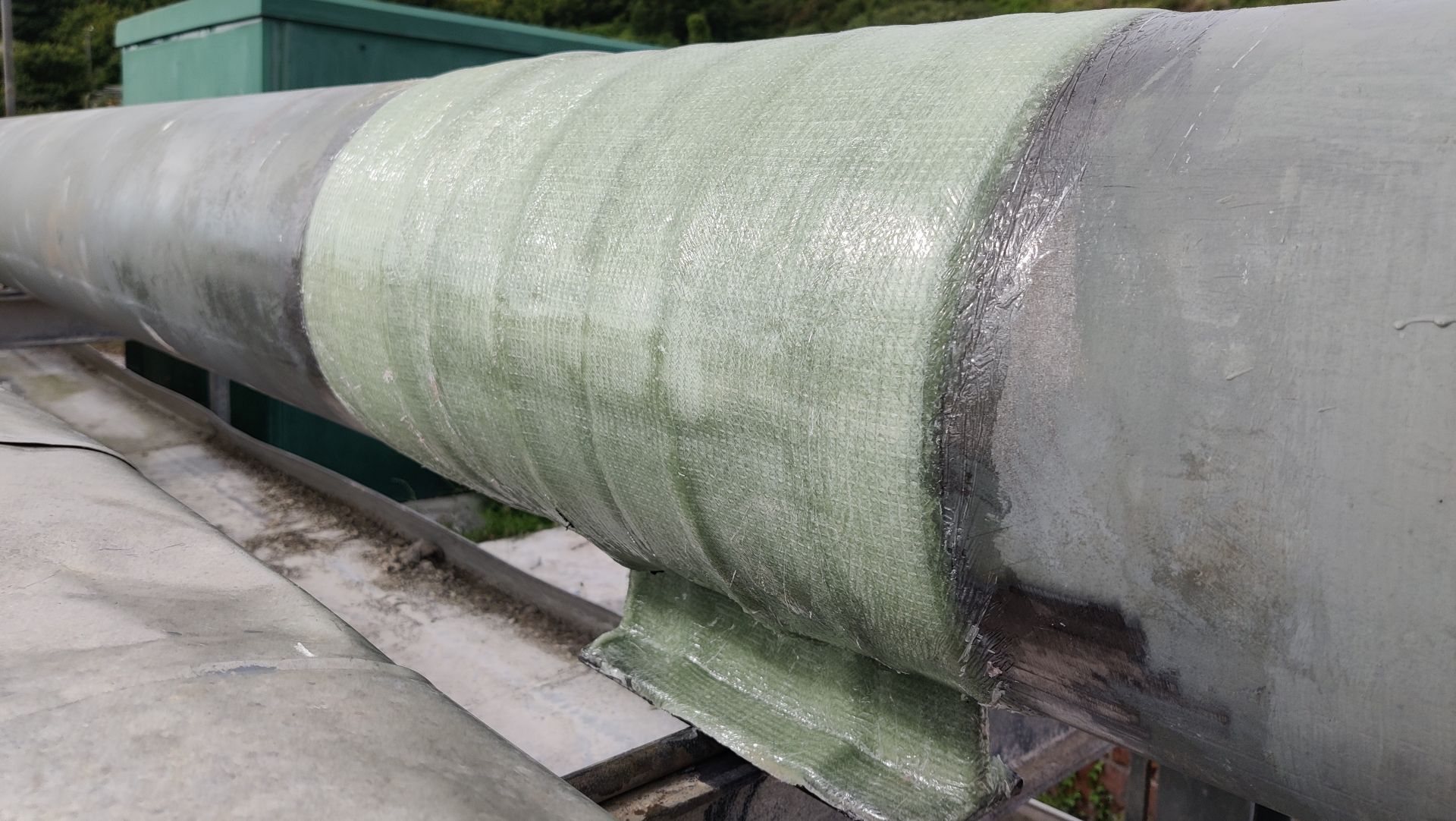
Our systems create a fully bonded, load-sharing composite structure that seals existing corrosion damage and prevents further degradation by isolating the substrate from the external environment. Unlike mechanical clamps or temporary coatings, the bond ensures stress transfer and environmental exclusion. This delivers long-term corrosion arrest and structural reinforcement in a single application.


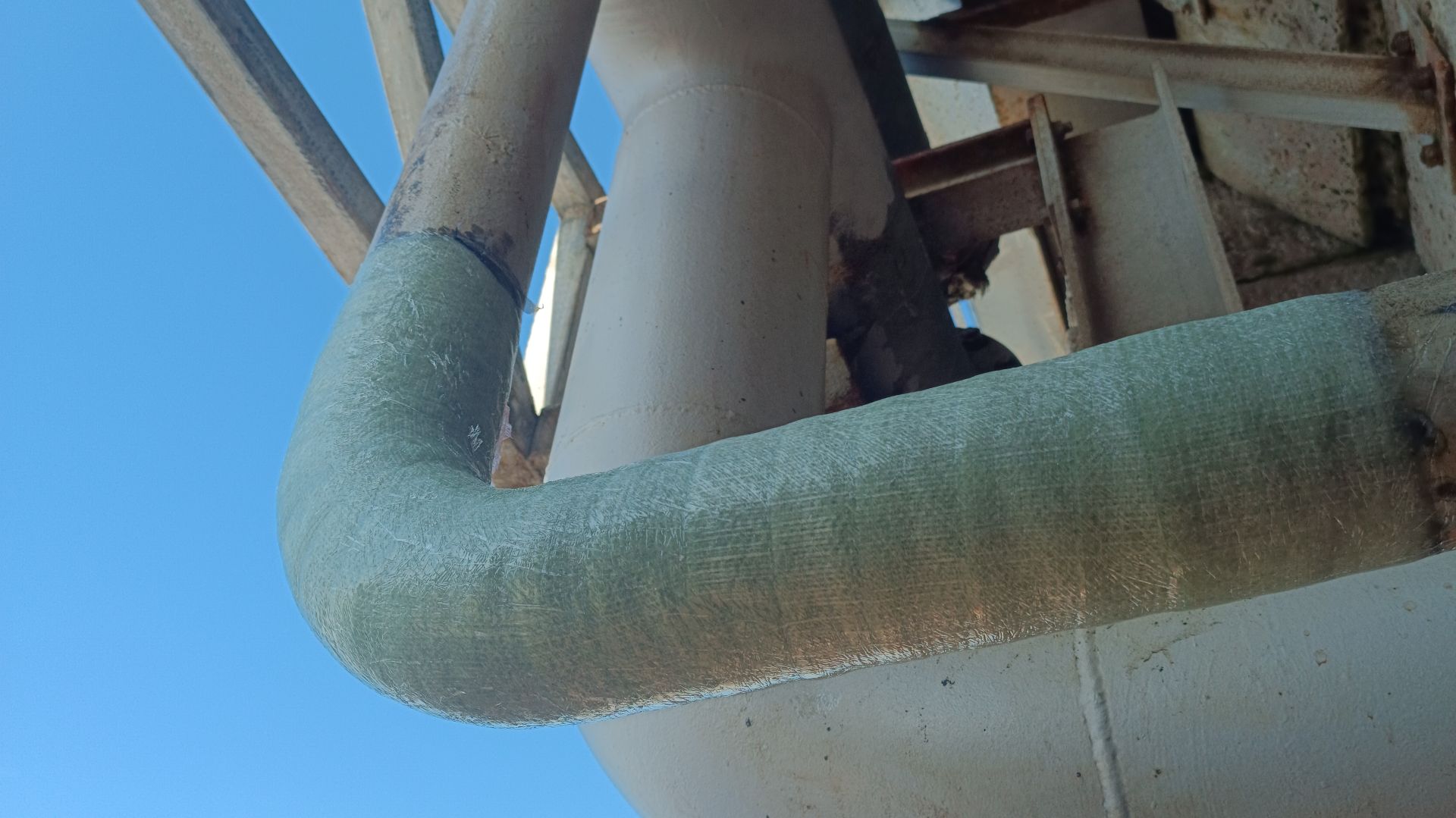
Composite materials naturally conform to complex geometries such as elbows, tees, nozzles, and supports commonly found in petrochemical facilities. Repairs are engineered and installed in accordance with ISO 24817 and ASME PCC-2. This allows owners to achieve compliant repairs in areas where conventional methods are impractical, reducing risk while maintaining regulatory confidence.

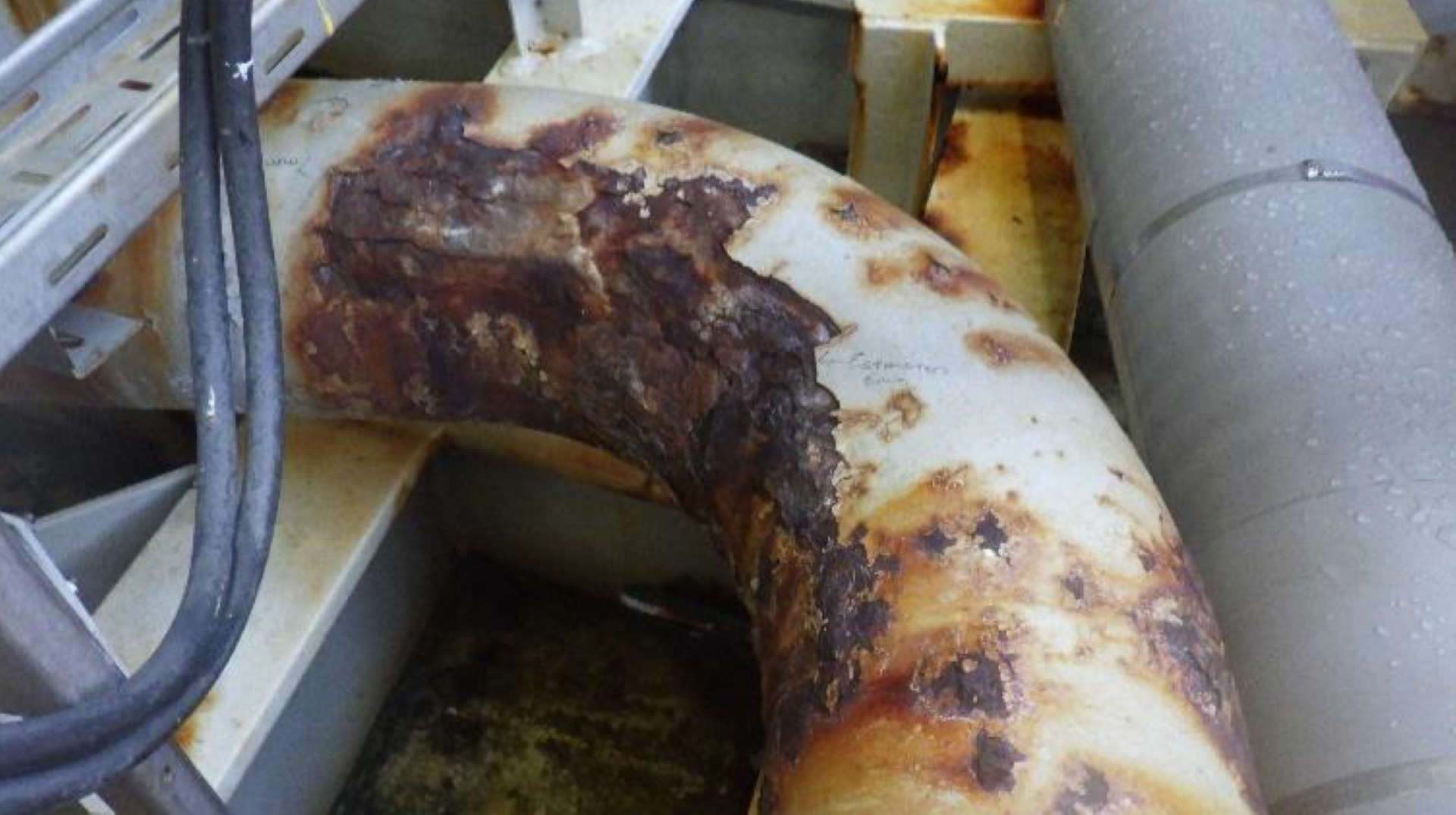
Arrests hidden corrosion and restores structural integrity without removing large sections of insulation or disrupting operations.

Reinforces weakened pipe walls and restores pressure containment while keeping the asset in continuous service.

Provides targeted structural restoration that prevents defect growth and extends the remaining service life of critical equipment.

Protects load-bearing steel from further degradation while strengthening compromised members with minimal added weight.
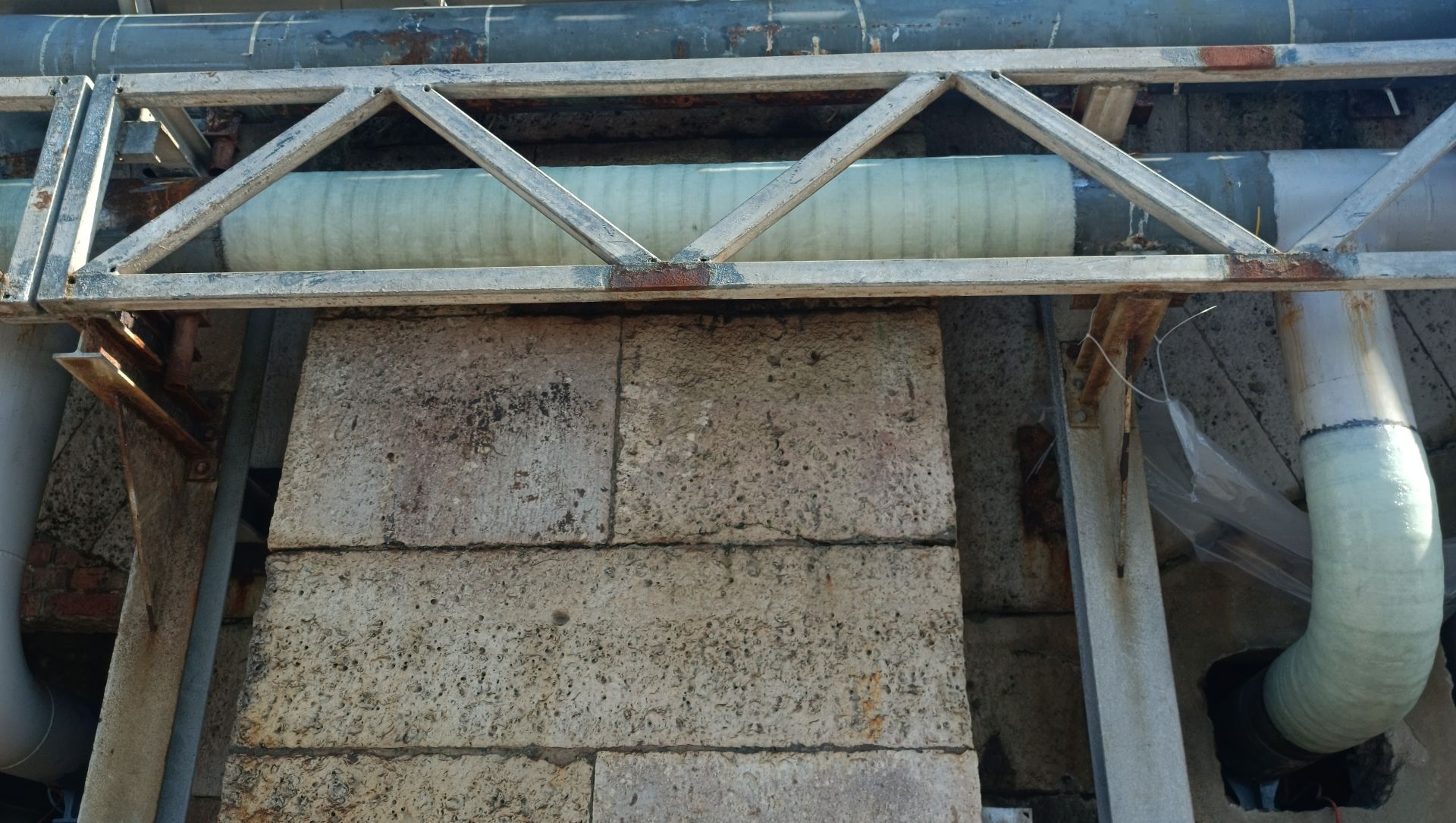
Icarus Composites completed a series of engineered composite repairs to corroded 4”, 10”, and 12” fuel oil suction and discharge lines affected by corrosion under insulation in a coastal environment. The ASME PCC-2–compliant repairs restored pressure integrity, arrested further corrosion, and extended asset life by 20 years—without pipe replacement or operational disruption.

All petrochemical repairs are fully engineered and installed in accordance with internationally recognised composite repair standards, ensuring predictable, auditable structural performance.
Every composite system is mechanically and thermally validated by UKAS-accredited laboratories, providing independent verification of performance in aggressive environments.
Repairs are designed, installed, and quality-assured under an ISO 9001–certified management system, ensuring consistency, traceability, and compliance with petrochemical integrity requirements.
Ready to add engineered composite wraps and live leak sealing to your service portfolio? Tell us about your business and we'll get in touch.
Contact our team and we'll guide you step-by-step on the journey to getting your assets repaired.
Phone:
+44(0)1706 334178
Email:
contact@icarusgroup.co.uk
Website:
www.icaruscomposites.co.uk
Location:
Cambridge, United Kingdom
Q.
Can composite repairs be applied to live petrochemical assets?
A.
Yes—engineered composite repairs can be safely installed on live, pressurised petrochemical systems without shutdowns or hot work, significantly reducing operational disruption and safety risk. Where active leaks are present, each repair is assessed on a case-by-case basis, with hydrocarbon leak repairs only proceeding where risks can be fully controlled and safely mitigated.
Q.
Are composite repairs acceptable under petrochemical integrity standards?
A.
Yes—all repairs are engineered and installed in accordance with ISO 24817 and ASME PCC-2, which are widely accepted within petrochemical integrity management frameworks.
Q.
How long do composite repairs last in aggressive petrochemical environments?
A.
When correctly engineered and installed, composite repairs provide a long-term solution with design lives of up to 20 years, supported by documented calculations, QA records, and warranties. The achievable design life is governed by the root cause of the defect; where the damage mechanism can be arrested, extended design lives can be assigned. For example, defects caused by external corrosion can often be given a 20-year design life, as the fully bonded composite wrap isolates the pipe from oxygen and moisture, preventing further degradation.
Q.
Can composite systems withstand chemicals, temperature cycling, and vibration?
A.
Yes—our composite systems use high-performance epoxy resins with proven resistance to a wide range of hydrocarbons and aggressive chemicals commonly encountered in petrochemical service. Where chemical compatibility data is unavailable, targeted chemical resistance testing can be undertaken to validate suitability. Thermal cycling and operational vibration are explicitly considered during repair design in accordance with ISO 24817 and ASME PCC-2, with cyclic loading assessed based on the expected number of cycles over the designated design life (cycling is not required to be considered where fewer than 7,000 cycles are anticipated, in line with ISO 24817).
Q.
Are composite repairs suitable for complex geometries like elbows, tees, and nozzles?
A.
Yes—composite materials naturally conform to complex geometries such as elbows, tees, reducers, and nozzles, enabling fully bonded, standards-compliant repairs where clamps or steel sleeves are impractical or impossible to install. Any stress concentrations introduced by these geometries are explicitly addressed through geometry-specific thickness increase factors and design checks in accordance with ISO 24817 and ASME PCC-2, ensuring structural integrity is fully maintained.
Q.
What documentation is provided for petrochemical composite repairs?
A.
Each repair is supplied with full engineering calculations, installation procedures, QA/QC records, and completion documentation to support audits, MOC, and integrity sign-off.